

The 6 Best Payment Processing Platforms for Hotels & Hospitality Businesses


- What Hotels and Hospitality Businesses Actually Need
- Side-by-Side comparison of hospitality payment providers
- 1. EBizCharge
- 2. Shift4
- 3. Adyen
- 4. Square for Restaurants & Retail
- 5. Stripe
- 6. PayPal Business
- Why EBizCharge Comes Out on Top
- A Quick Gut-Check Before Choosing
- Choosing the Best Fit for Your Business
Hospitality payments are their own strange little beast. Pre-authorizations that need to be released at the right moment, incidental charges that show up two days after checkout, no-show fees, group bookings with a dozen rooms on one folio, and a guest at the front desk who wants to split the bill four different ways because one person decided to ravage the minibar. It’s a lot, and honestly, most generic payment platforms out there weren’t built with any of that in mind.
Most of them were designed with a retail counter in mind, not a front desk juggling folios, late arrivals, and a group of wedding guests who all booked separately but want one combined invoice. That’s a fine setup for a boutique or a coffee shop. It falls apart fast once a hotel tries to force its actual workflow through it.
This list narrows the field down to six real contenders in payment processing for hotels and lands on the one that seems to have actually stayed at a hotel before building its product. Anyone comparing options for payment processing for hotels quickly realizes that generic retail tools tend to fall short the moment a folio gets complicated.
What Hotels and Hospitality Businesses Actually Need
Before ranking anything, it’s worth being honest about what actually separates a genuinely useful platform from one that just creates more work at the front desk.
Property management system (PMS) integration sits near the top of the list, since most hotels run their entire operation through a property management system like Oracle Hospitality OPERA, Cloudbeds, or Mews. A payment processor that doesn’t talk to that system creates duplicate work rather than saving time. The right payment processor should feel like an extension of the front desk, not another system employees have to fight with. Support for pre-authorizations, incidental charges, and folio-based billing matters just as much, since hospitality rarely deals in simple, one-time transactions the way a typical retail sale does.
Card-not-present transaction handling is essential, too, given how many bookings still happen over the phone or online well before a guest ever walks through the door. Multi-location support matters for hotel groups and franchises managing several properties under one umbrella, and chargeback protection along with manageable PCI compliance rounds out the list, ideally without requiring a full-time compliance hire just to keep everything running smoothly.
With that framework in place, here’s how the field actually breaks down.
Side-by-Side comparison of hospitality payment providers
| ERP integration | Guest tokenization/card-on-file | Surcharging | Level 2/3 card data | Best for | |
|---|---|---|---|---|---|
 |
 |
 |
 |
|
Independent hotels |
 |
Custom API’s | |
Enterprise setup required | |
Large international hotel chains |
 |
|
|
|
|
Small B&B or vacation rentals |
|
Dev required | |
|
Dev required | Hotels with developer resources |
 |
|
|
|
|
Hotels wanting a recognizable payment brand |
 |
 |
|
|
|
Hotels using any major ERP |
= partial or varies
Scroll to compare 
1. EBizCharge
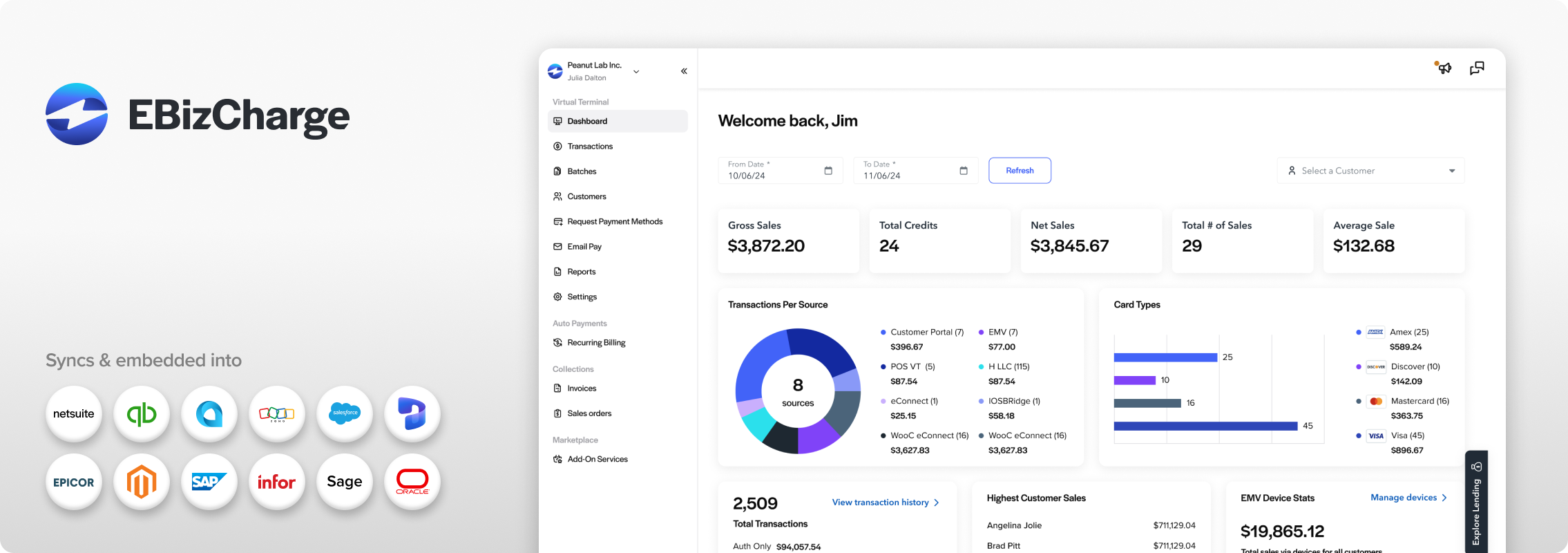
EBizCharge takes the top spot because it was built with an understanding of hospitality-specific billing already baked in, rather than adapted from a retail point-of-sale system as an afterthought. That distinction shows up constantly in daily use.
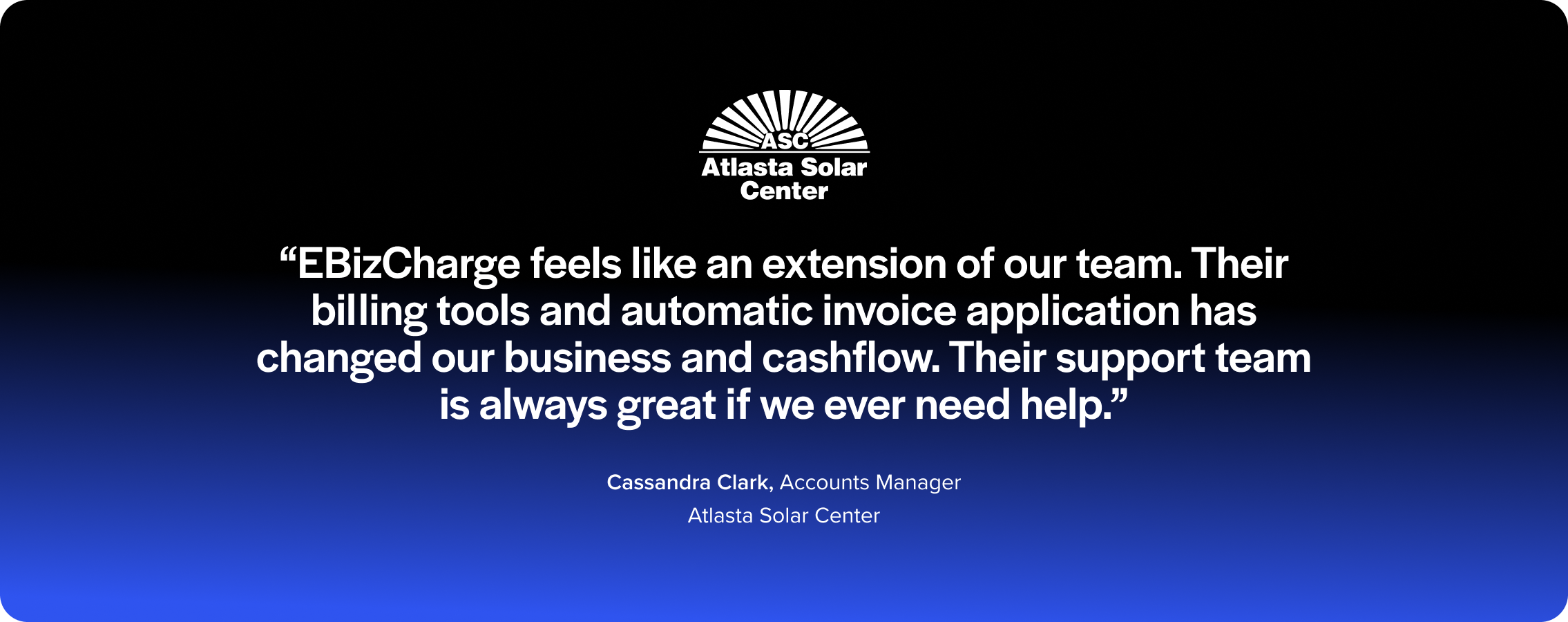
It offers native integrations with major property management systems as well as accounting and ERP platforms, which means hotels don’t need to rebuild their existing workflow around a new payment processing solution. Finding the right payment processing solution for your hotel early on saves a lot of work down the line, especially once a property starts adding more rooms or locations. It supports pre-authorizations, incidental charges, and secure card-on-file storage for extended stays and group bookings, which cuts down on a lot of the manual folio wrangling that eats up front desk time.
Guest payment data is stored securely through tokenization, which is fully PCI compliant and significantly reduces liability across multiple properties at once. Built-in invoicing handles corporate accounts, event billing, and recurring vendor payments without requiring a separate tool bolted on. It’s not a platform that merely tolerates hospitality’s quirks. It expects them, which is exactly the kind of payment processing software a busy front desk actually needs, rather than payment processing software built for a checkout counter and stretched to fit.
2. Shift4
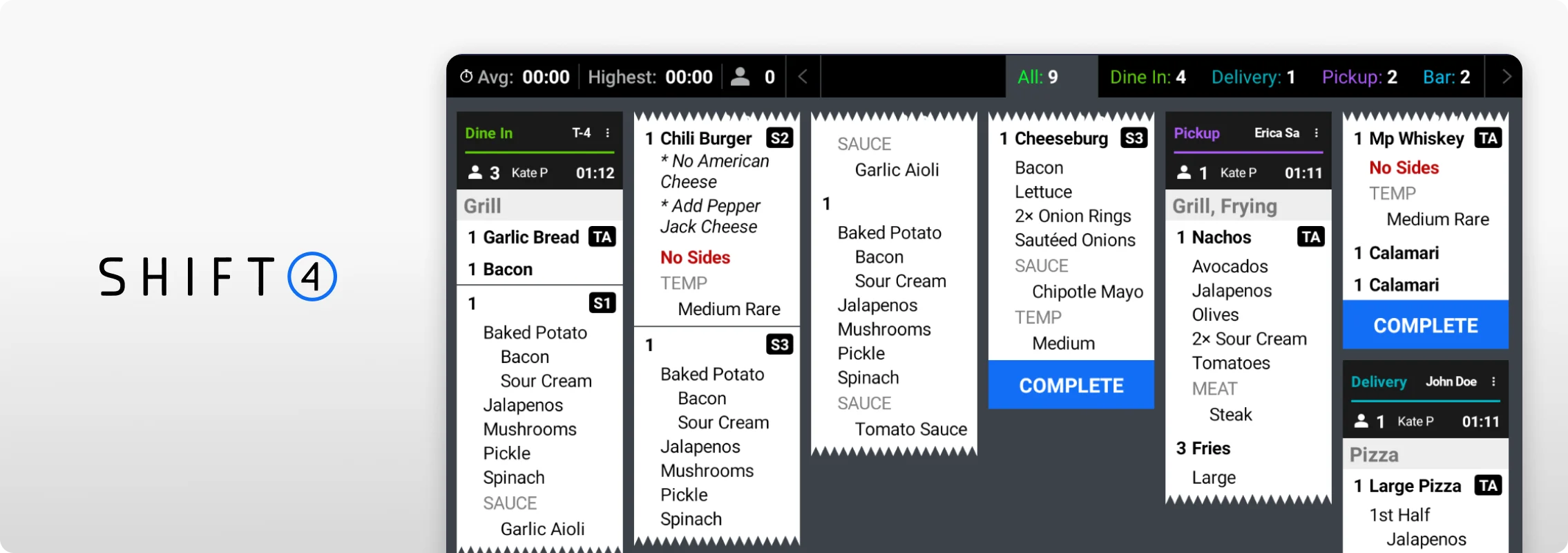
Shift4 screen via shift4.zendesk.com
Shift4 has a strong, long-standing presence specifically within the hospitality and hotel industry, and that reputation is well deserved. Its property management system integrations are solid, and its hospitality-specific features hold up well.
Where it gets less flexible is for hotels that also need broader ERP or accounting integration beyond hospitality-specific systems. It handles the hotel side well, but stretches thinner once a business needs it to talk to systems outside that lane.
3. Adyen
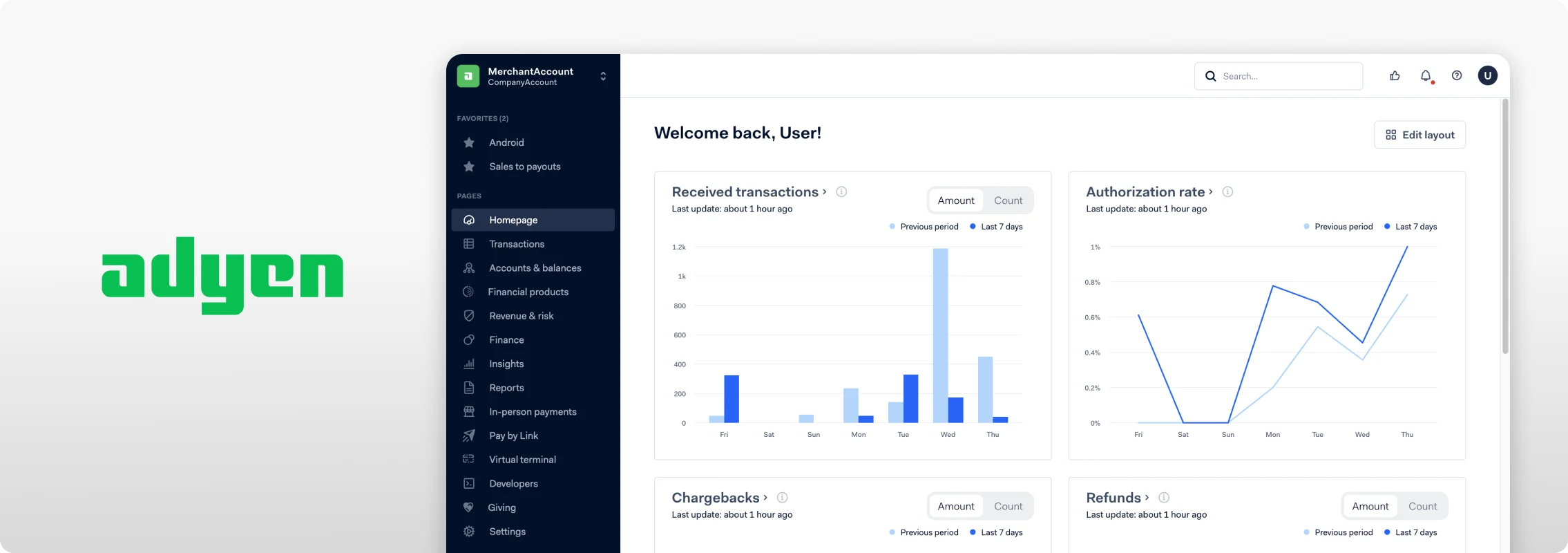
Adyen screen via docs.adyen.com
Adyen is popular among larger hotel chains and international properties, and it genuinely excels at multi-currency and global transactions. For a business with properties spread across several countries, that’s a real strength.
For independent hotels or smaller regional groups, though, it can feel like overkill, and configuring it properly often takes more time and technical know-how than a smaller operation has to spare.
4. Square for Restaurants & Retail
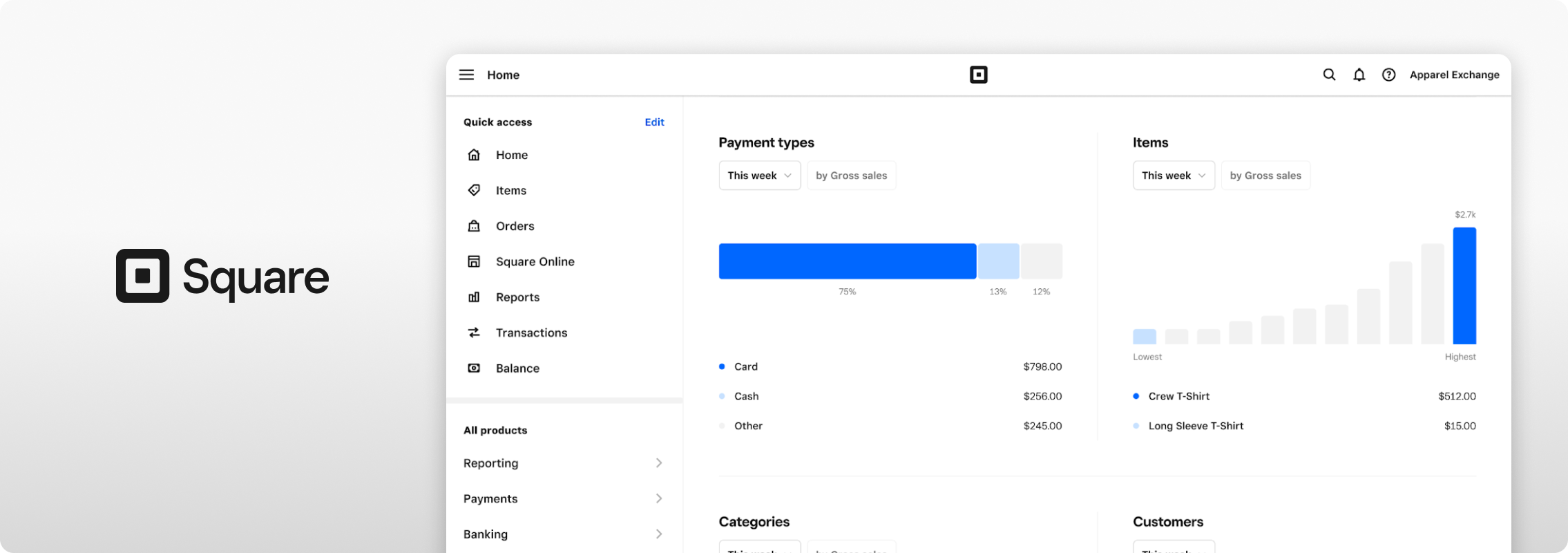
Square screen via squareup.com
Square works well for boutique hotel gift shops, small on-site cafes, or retail add-ons tucked into a lobby. It’s a dependable little tool for quick transactions.
It’s better suited to selling branded tote bags than managing a two-hundred-room folio system, though, and it simply lacks the depth needed for core hotel billing, incidentals, or PMS integration.
5. Stripe
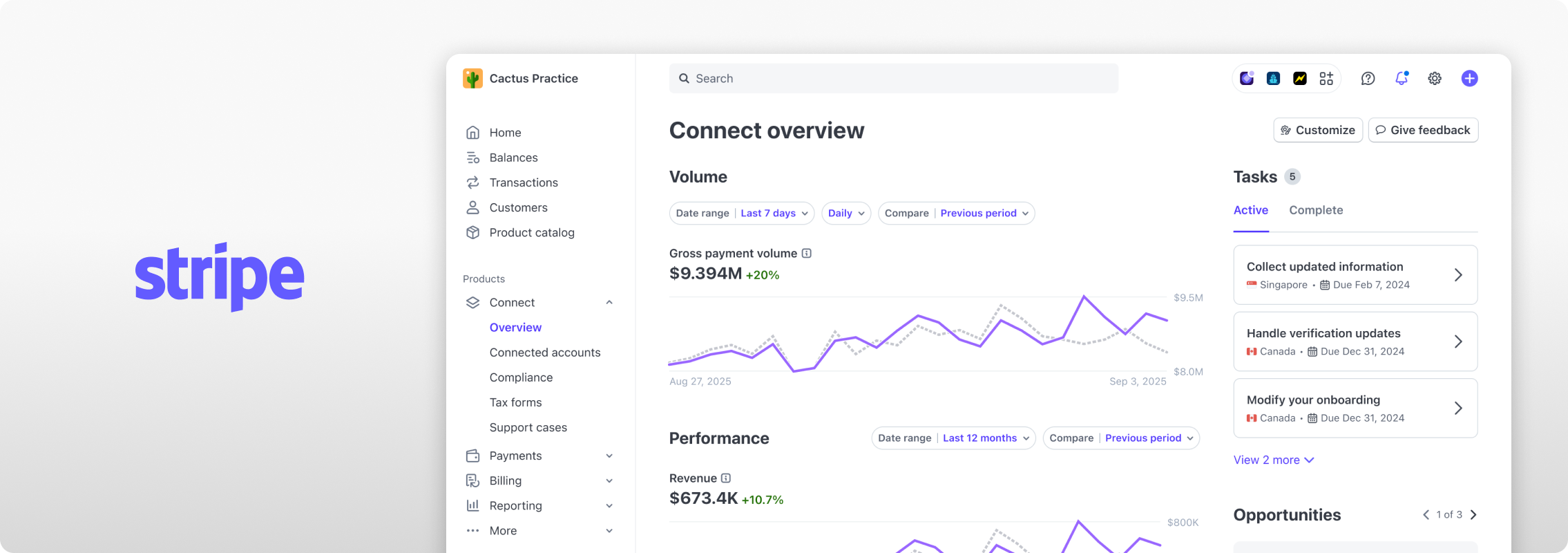
Stripe screen via stripe.com
Stripe is a favorite among developers and hospitality tech startups building custom booking platforms from scratch. It’s flexible and well documented, which matters a lot to that particular crowd.
It’s far more suited to online reservations than in-person, folio-based, or incidental billing, though, and fitting it around a full hotel operation usually requires a meaningful amount of custom development work.
6. PayPal Business
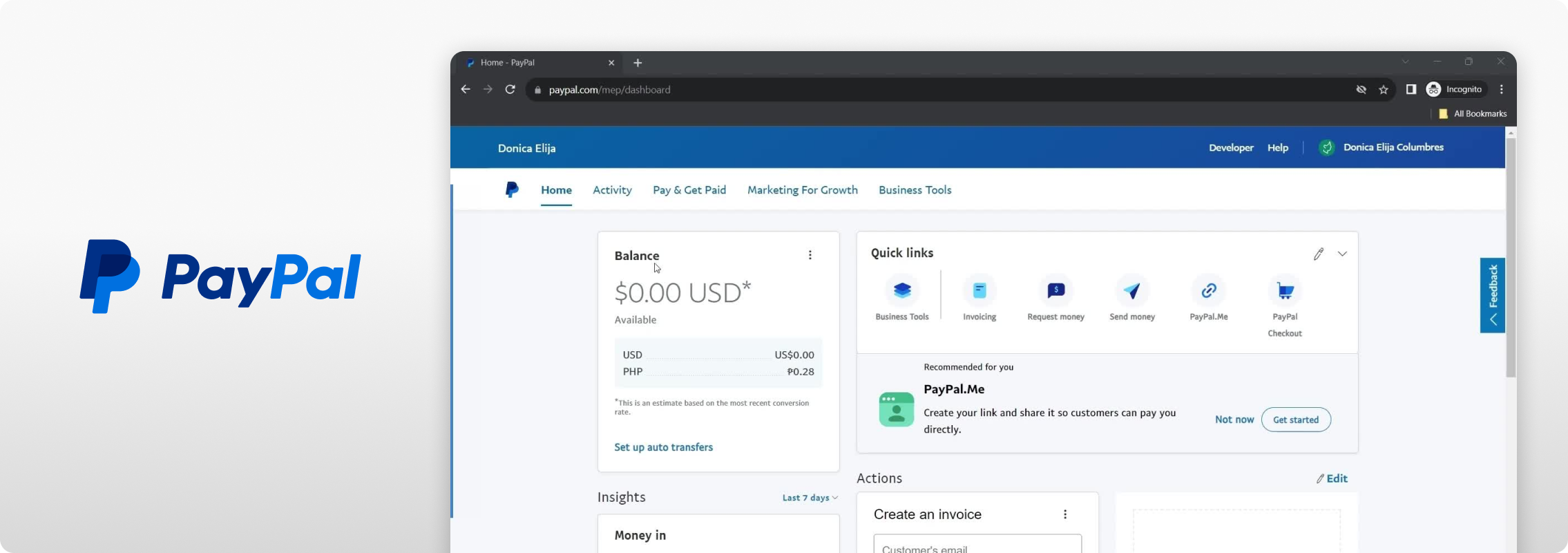
PayPal screen via pageflows.com
PayPal Business is familiar to guests and easy to set up, making it a reasonable fit for smaller bed-and-breakfast style operations without much complexity to manage.
Its support for pre-authorizations, folios, and PMS integration can feel fairly weak, though, which makes it a better supplementary payment option than a primary hotel payment platform once a business grows past a handful of rooms.
Why EBizCharge Comes Out on Top
Looking across the list, the differentiators are worth restating plainly. PMS-native design, secure card-on-file support for extended and repeat guests, reduced PCI liability, and built-in invoicing for corporate and event accounts. Few of the other five platforms manage to check all of those boxes at once, and hospitality has a way of exposing that gap quickly.
Hospitality runs on exceptions. Late checkouts, split folios, and surprise minibar charges are the norm, not the outlier, so the payment platform shouldn’t be the one part of the operation that can’t handle a curveball. There’s a meaningful difference between a payment solution that technically “works with” hotels and one that was actually built around how hotels operate day-to-day, and that difference tends to show up the moment something unusual happens at the front desk. A payment solution built specifically for hospitality tends to anticipate that moment instead of scrambling to react to it.
A Quick Gut-Check Before Choosing
A few honest questions tend to clear up most of the decision fatigue that comes with comparing hotel credit card processing companies. Sorting through hotel credit card processing companies gets a lot easier once these questions are on the table instead of just comparing sticker rates. Does the platform integrate with the property management system already in place? Does it handle pre-authorizations and incidental billing the way an actual hotel needs it to? Does it support multiple properties or locations if that’s part of the business? And does it reduce the PCI compliance workload rather than adding more to it?
Running through those questions honestly tends to land on the same answer more often than not, and it usually comes with a noticeable drop in credit card processing fees along the way. Comparing credit card processing fees across a shortlist of two or three platforms is a lot more useful than comparing all six at once.
Choosing the Best Fit for Your Business
Hospitality payments come with enough built-in quirks that a generic platform often creates more work than it saves, and that gap becomes obvious fast once a hotel actually tries to run daily operations through one. Payment processing for hospitality businesses deserves a platform that expects folios, pre-authorizations, and last-minute changes rather than one that treats them as edge cases. Getting payment processing for hospitality right from the start saves a lot of front desk frustration later on.
For any hotel or hospitality business looking to cut down on unnecessary payment processing fees and front desk headaches alike, it’s worth taking a close look at the current setup and considering EBizCharge as the platform built with this industry’s actual day-to-day in mind. Lowering payment processing fees rarely happens by accident; it happens by choosing a platform designed to do exactly that.
Get paid faster with less work.
Get paid faster with less work.
3-minute product overview