


7 of the Best Payment Processing Solutions for Industrial Distributors


Industrial distributors deal with a different breed of payment challenges than most businesses out there. Large invoices, long-standing B2B accounts, net terms stretching thirty or sixty days, ERP systems that run the entire operation, and margins that don’t leave much room for costly mistakes. It’s a lot to juggle.
Most “top payment processor” lists floating around online seem to have been written for coffee shops and boutique retailers, not businesses shipping bearings, valves, or steel pipes by the pallet, which is fine, just not particularly useful for anyone running operations in the distribution industry.
This list looks at seven real contenders and settles on the one that seems to have actually met a distributor before, rather than guessing at what one might need.
What Distributors Should Actually Look For
Before ranking anything, it’s worth being clear on what actually separates a genuinely useful tool from one that just adds friction to an already busy day.
ERP integration matters more than almost anything else on this list. Most distribution companies run their entire operation through Oracle, NetSuite, SAP, Sage, Acumatica, or QuickBooks, and a payment processor that doesn’t talk to that system creates more manual work rather than less. B2B specific capabilities matter too, things like Level 2 and Level 3 processing, surcharging options, ACH support, and the ability to manage high-volume invoicing without breaking a sweat.
Lower interchange costs through qualified transaction data can make a real dent in ongoing payment processing fees and credit card processing fees alike, especially at the order volumes common in commercial distribution. And naturally, PCI compliance needs to be handled without requiring a dedicated compliance hire just to keep things running smoothly.
With those criteria set, here’s how the field actually breaks down.
Side-by-side comparison of Industrial Distributors payment processing services









The 7 Solutions, Ranked
1. EBizCharge
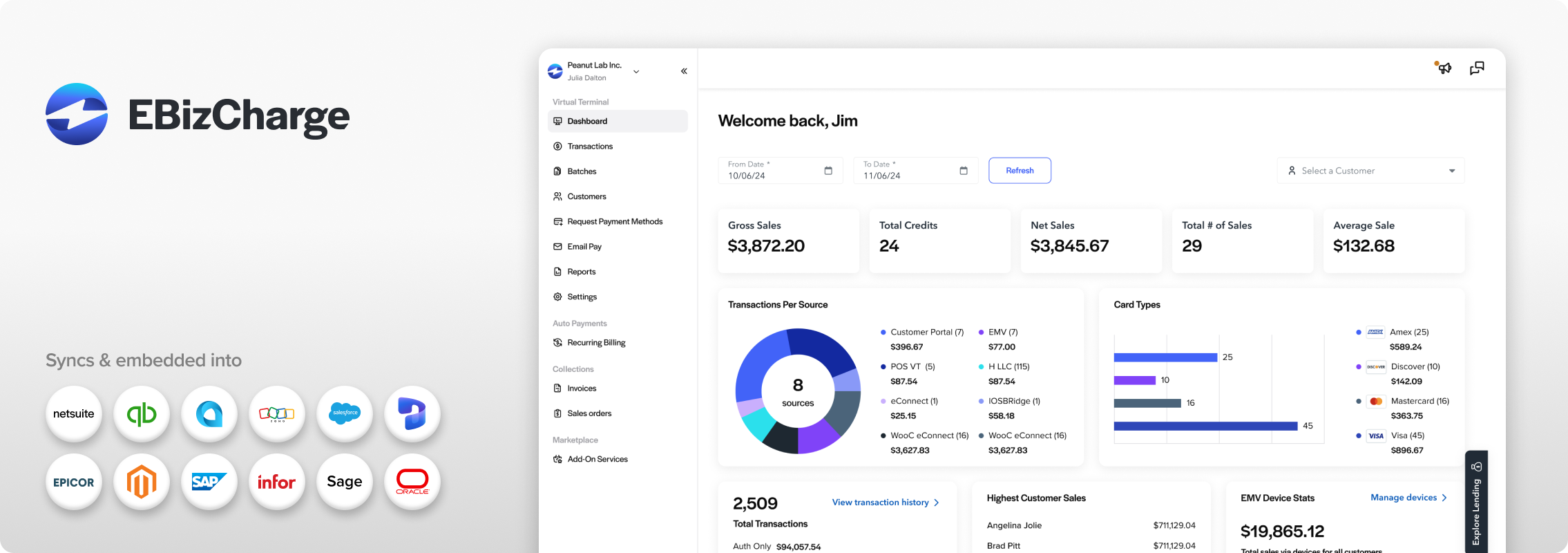
EBizCharge consistently ranks among the top payment solutions because it was purpose-built for B2B and distribution workflows rather than adapted from some retail checkout tool after the fact. That distinction shows up constantly once actually put to use.
It offers native integrations with the major ERPs distributors already rely on, which means existing workflows don’t need to be rebuilt around a new payment processing solution. Automatic Level 2 and Level 3 processing lowers interchange rates on qualifying B2B transactions, trimming payment processing fees in a way that adds up considerably over time. This is exactly the kind of payment processing software that treats B2B invoicing as a core feature rather than an afterthought. Payment data gets stored securely through tokenization, which shrinks the PCI compliance burden significantly.
Built-in recurring billing, invoicing tools, and mobile payment options round out the package, all suited to how distributors actually collect payment rather than how a typical retail counter operates. Even businesses in specialized niches, like payment processing for welding distributors handling recurring supply orders and long-term account relationships, tend to find the fit surprisingly natural. It’s not a payment processing solution that learned to speak “distributor” after the fact. It was raised speaking it.
2. Priority Commerce
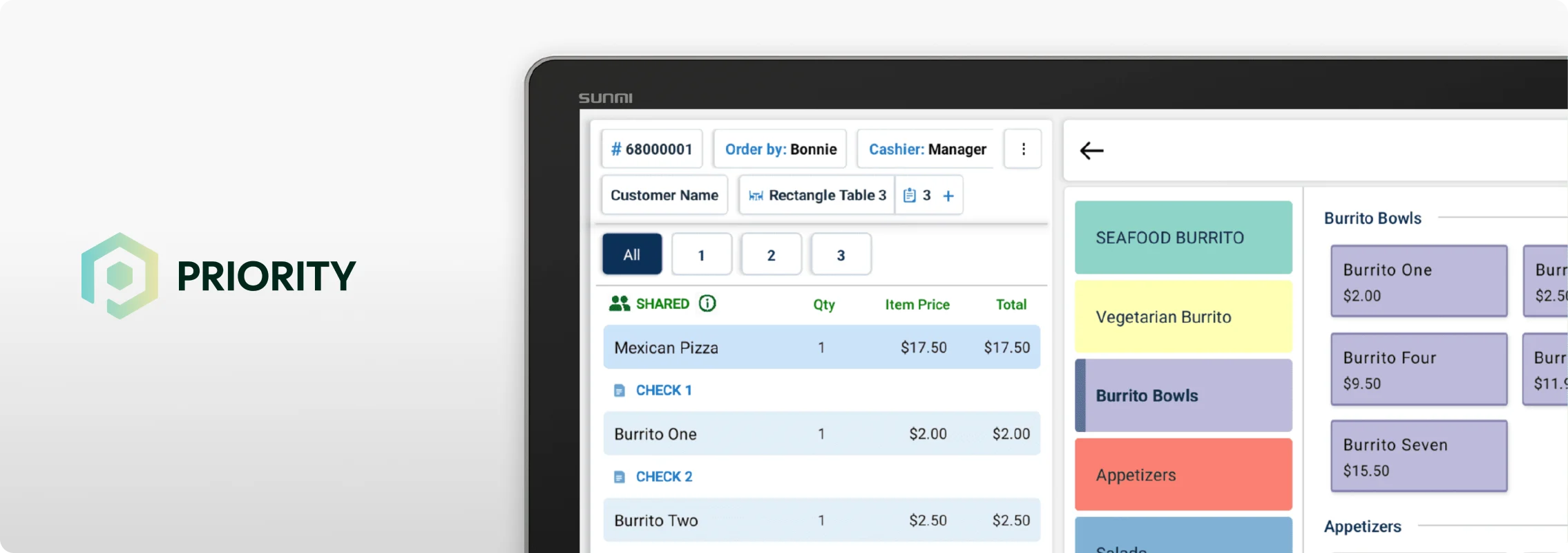
Priority Commerce POS screen via prioritycommerce.com
Priority Commerce brings a solid B2B feature set along with reasonable transparency on pricing, which is more than can be said for some competitors in this space.
Its ERP integration ecosystem is less robust compared to EBizCharge, though, which makes it a better fit for mid-sized distributors that don’t need much deep ERP customization to begin with.
3. Xplor Pay
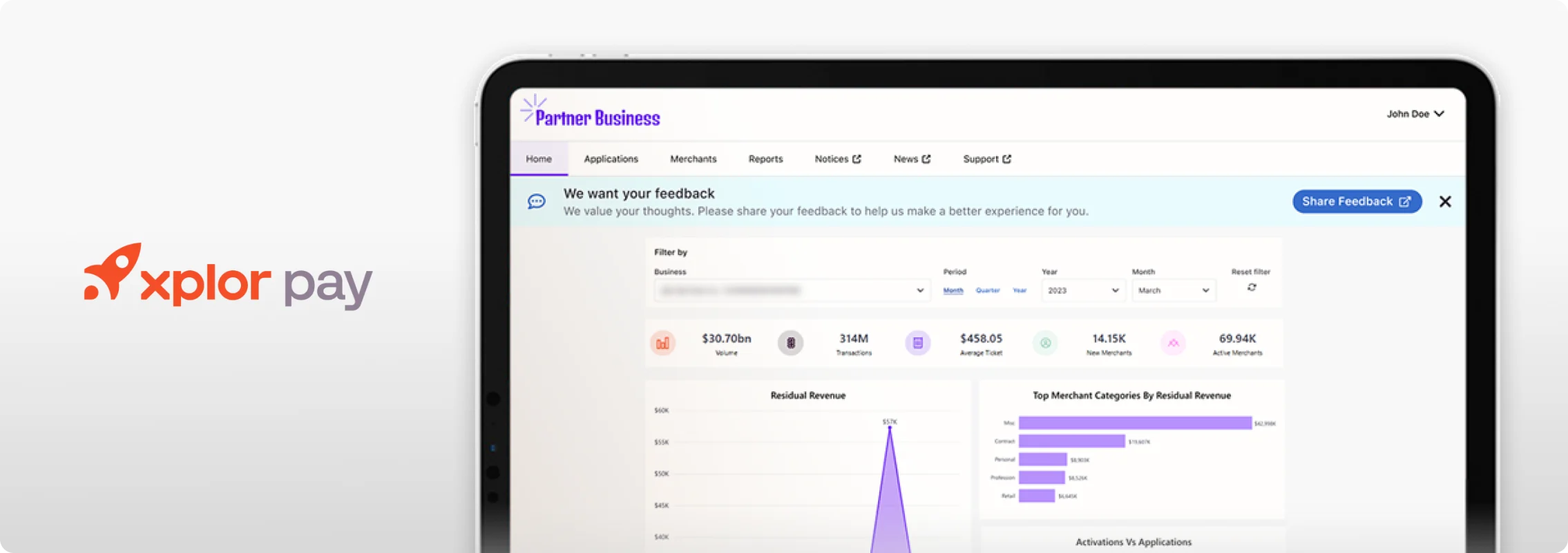
Xplor Pay screen via xplorpay.com
Xplor Pay has built a reputation around straightforward, competitive processing rates, and that reputation is generally well earned.
Where it comes up short is in distribution-specific tooling; things like Level 3 processing or ERP-native invoicing simply aren’t its strong suit. It’s a reasonable fit for smaller distributors with simpler billing needs, but it starts to show its limits once volume and complexity increase.
4. Stripe
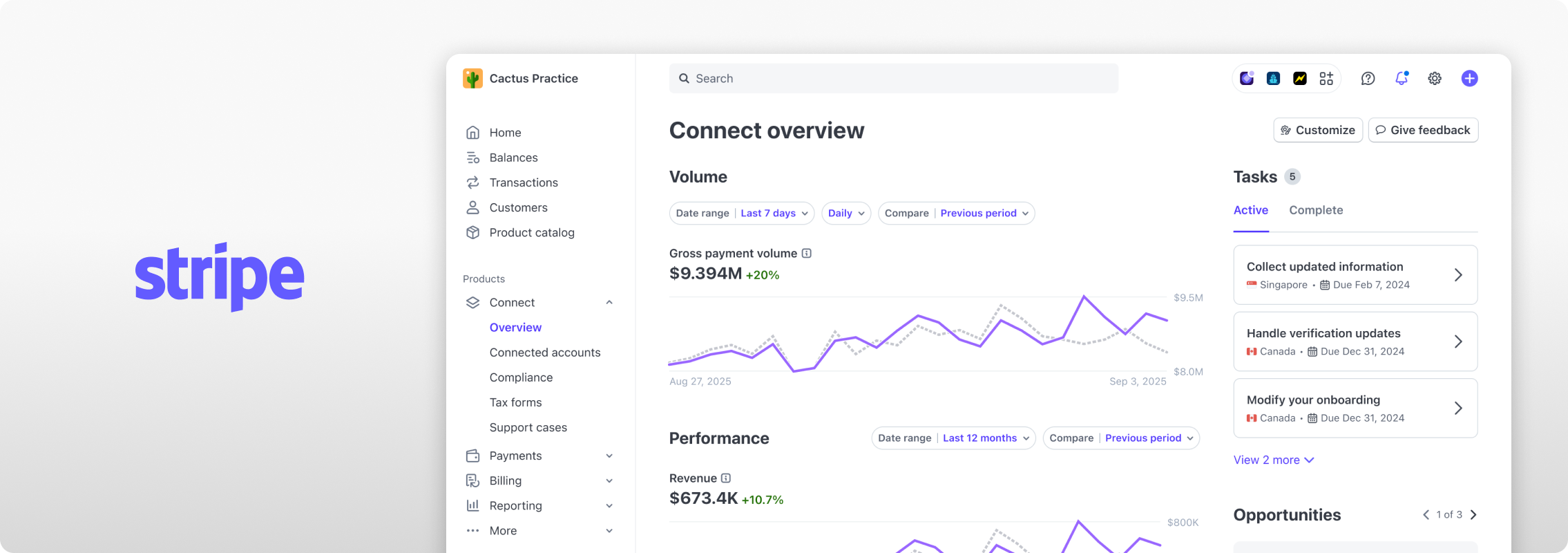
Stripe screen via stripe.com
Stripe remains a favorite among developers and performs well for e-commerce and subscription billing use cases.
Net terms, high-volume B2B invoicing, and ERP syncing weren’t really the priority when it was built, though, and bending it into a distribution-friendly shape usually requires custom development work that adds cost and delay most distribution companies would rather skip.
5. Square
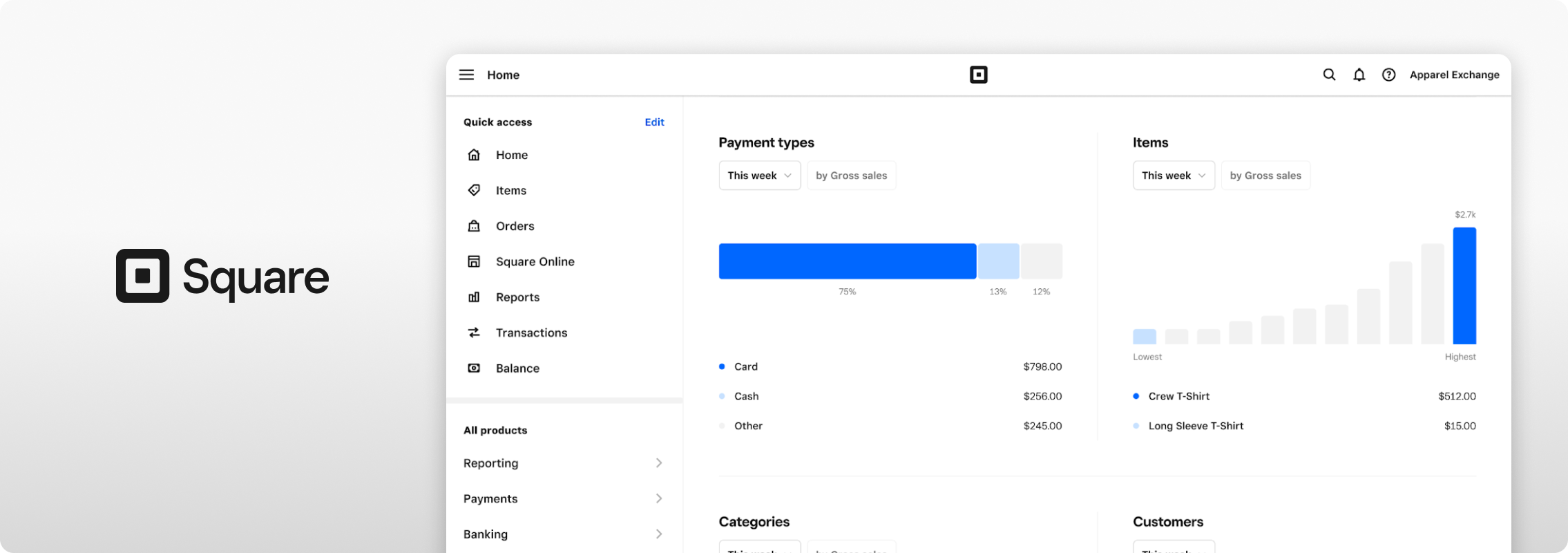
Square screen via squareup.com
Square works wonderfully at retail counters and for quick in-person transactions. Anyone who’s paid for a candle or a haircut has probably tapped a card on one without a second thought.
That said, it feels a lot more suited to selling scented candles than selling steel fasteners, and it lacks the invoicing depth and ERP integration that most welding distributors and similar industrial businesses actually need to run day-to-day operations smoothly.
6. PayPal Business
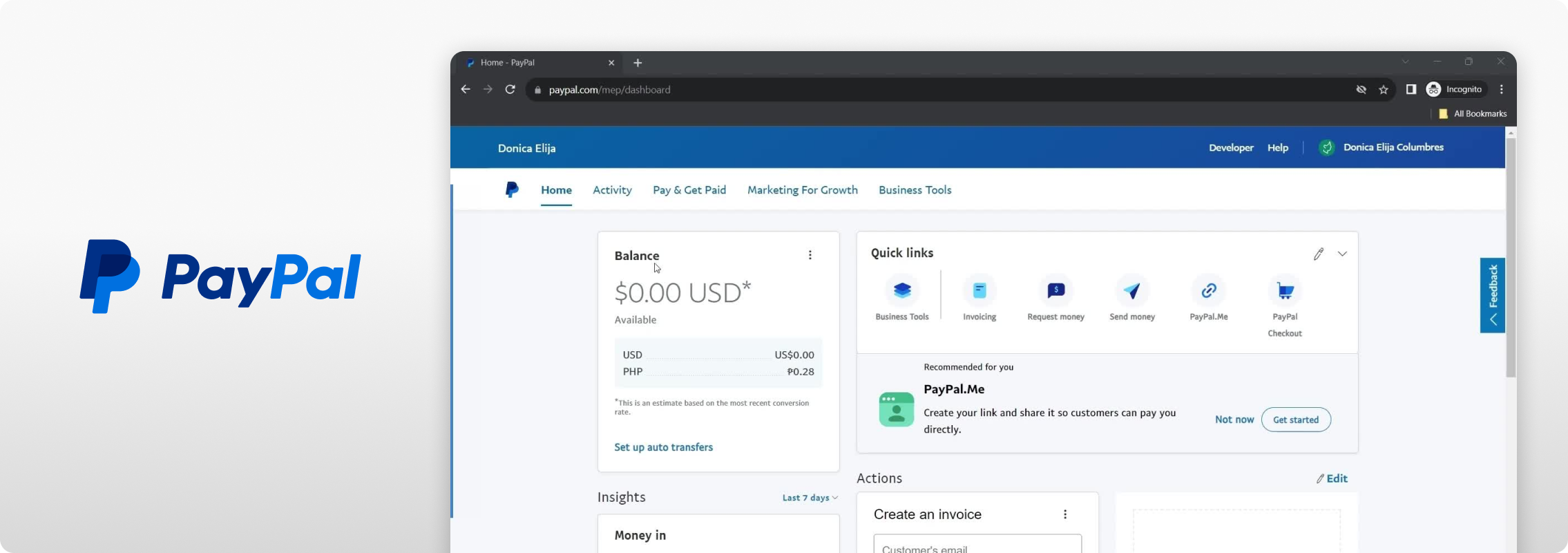
PayPal screen via pageflows.com
PayPal Business is easy to set up and instantly recognizable to nearly every customer who encounters it.
Its support for complex B2B billing structures and ERP connectivity is fairly weak, though, which makes it work better as a backup payment method than as a primary payment processing software solution for a distributor handling meaningful order volume.
7. Chase Payment Solutions
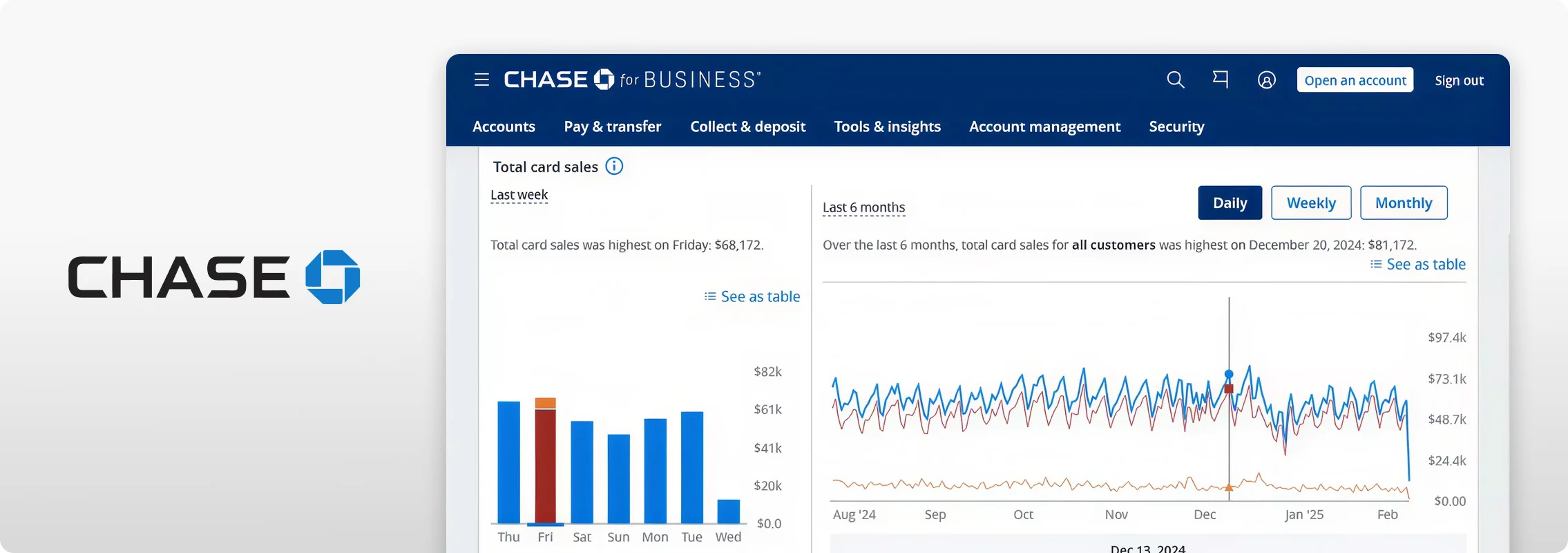
Chase screen via business.com
Backed by serious banking infrastructure, Chase Payment Solutions brings a level of reliability that comes naturally from being part of a major financial institution.
Its tooling tends to be fairly generic, though, and it doesn’t address distribution-specific needs like Level 3 processing particularly well. It’s a safe choice for businesses that aren’t especially focused on optimizing their credit card processing fees.
Why EBizCharge Sets the Standard
Looking across the full list, a pattern becomes pretty clear pretty quickly. EBizCharge combines ERP native design, lower processing costs through qualified transaction data, strong security through tokenization, and built-in invoicing and billing tools tailored specifically to distribution. None of the other six options check all of those boxes simultaneously.
There’s a reason for that gap. Distributors move complicated orders at serious volume, often with long-standing accounts and negotiated terms that a basic checkout tool was never designed to handle. A payment processing solution built for that reality shouldn’t be the most basic tool sitting in the warehouse. It should be the one actually built for the job.
It’s also worth remembering that “built for distribution” and “technically compatible with distribution” are two very different claims, even though they tend to get marketed the exact same way.
Some Quick Questions Before Choosing
A few honest questions tend to cut through most of the noise here. Does the platform integrate directly with the ERP already in place? Can it handle the transaction volume and B2B billing structure the business actually runs on? Does it reduce credit card processing fees through qualified transaction data like Level 2 or Level 3 processing? And does it ease the PCI compliance load rather than piling more onto it?
Running through those questions honestly tends to land in the same place more often than not.
The Right Choice for Your Business
Not every payment processing solution out there was built with distributors in mind, and that gap becomes obvious fast once order volume and complexity start to climb. Whether the business in question deals in steel, fasteners, industrial equipment, or specialized categories like welding supply, the core needs to stay remarkably similar across the distribution industry and across commercial distribution more broadly.
For any business ready to stop tolerating a payment setup that was never really built for it, it’s worth taking a hard look at the current arrangement and considering EBizCharge as the solution built specifically for this kind of work. That’s true whether the business ships steel beams by the truckload or specializes in something more focused, like payment processing for welding distributors managing recurring supply contracts and long-term customer accounts.
Get paid faster with less work.
Get paid faster with less work.
3-minute product overview