



Dental and optometry practices occupy a strange middle ground when it comes to getting paid. You’re healthcare providers, so the compliance stakes are high. But a meaningful chunk of revenue comes directly from patients, which means the front desk payment experience matters more than it does in most clinical settings.
A patient walking out after a crown or a new pair of glasses wants a fast way to settle their balance. Your front office needs that transaction to post cleanly and reconcile automatically. That gap between what patients expect and what most payment processors deliver is exactly where dental and optometry practices get stuck.
This article covers the best options, starting with the one that closes that gap most effectively.
What Dentists and Optometrists Actually Need from a Payment Processor
The criteria that matter for a dental or optometry practice differ from what you’d look for in retail or professional services. Here’s what actually counts.
HIPAA compliance and a signed BAA. Your payment processor touches billing data, and in a healthcare-adjacent practice, HIPAA applies. The vendor needs to sign a Business Associate Agreement and have the security infrastructure to back it up. Many general-purpose processors can’t or won’t do this.
PCI compliance. Any processor handling card payments needs to meet PCI compliance standards. A proper PCI compliant processor manages the technical requirements around card data security, so your team doesn’t have to become security experts on top of everything else they’re managing.
Deep integration with your practice software. Epic, MyChart, and similar platforms run most dental and optometry offices. Your payment processing services should connect directly to whichever system you use, so payments post automatically without staff entering data twice.
Real flexibility in how patients can pay. Dental bills range from a routine cleaning copay to a multi-thousand-dollar implant case. Some patients pay at checkout, others get invoiced after insurance processes, and many need payment plans. Any online payment processing services for dentists worth using handle all of these without requiring different tools.
Installment and recurring billing support. Payment processing for dentists managing large restorative or cosmetic cases means setting up multi-month arrangements. A processor that handles recurring billing automatically reduces follow-up calls and keeps cash flow predictable.
Straightforward payment processing fees. Even modest differences in per-transaction rates add up over a full year at dental and optometry transaction volumes. Look for payment processing software with a clear fee structure so billing costs stay predictable.
EBizCharge: A Top-Rated Payment Processing Solution for Dentists & Optometrists
EBizCharge was built for professional services businesses with complex billing, high transaction volumes, and compliance requirements that general processors ignore. It’s the right fit for dental and optometry practices, and the reasons are specific.
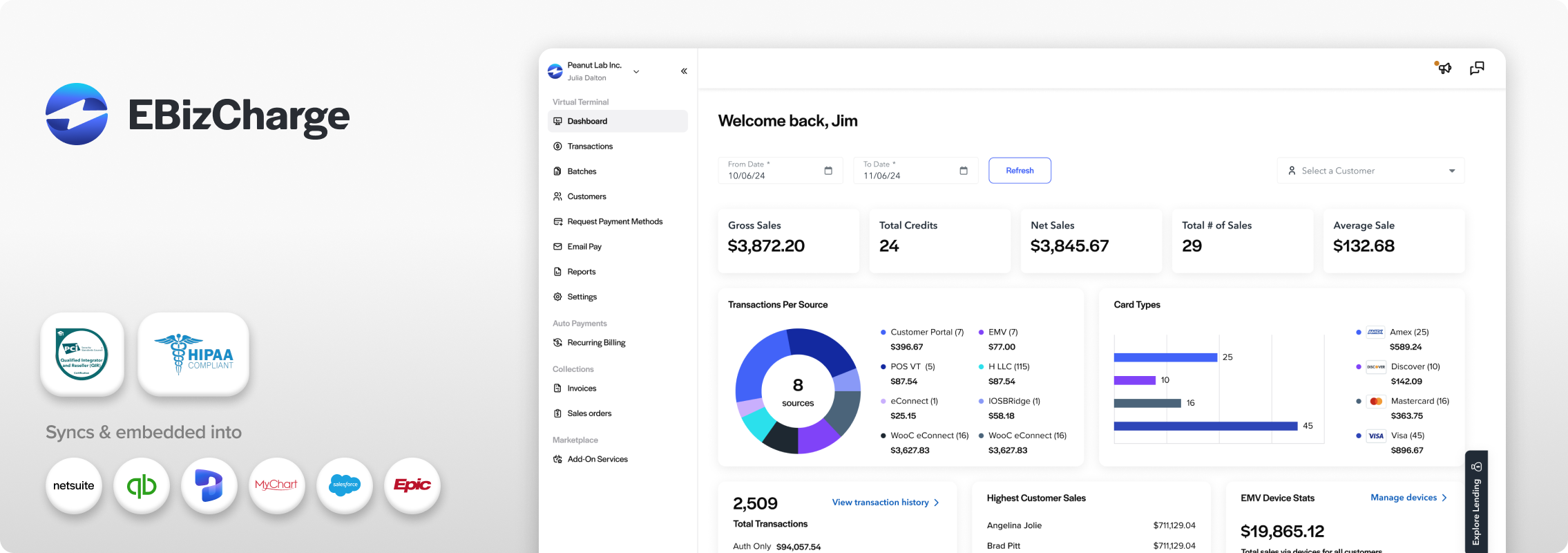
HIPAA-ready and BAA-willing. EBizCharge works with healthcare-adjacent businesses on compliance, BAA execution included. Patient data security isn’t an afterthought here.
PCI compliance across the board. Every transaction runs within a fully PCI compliant environment. Your practice isn’t responsible for managing card data security details, which reduces liability and simplifies operations.
Tight integration with dental and optometry platforms. EBizCharge connects with Epic, MyChart, QuickBooks, and other practice management and accounting tools. Payments post automatically, with no duplicate entry and no reconciliation headache.
Every payment scenario covered. Credit card processing, ACH, and recurring billing are all in one platform. Patients can pay at the desk, click a text or email link to pay online, or enroll in a payment plan for larger cases. That’s what online payment processing services for dentists actually need to look like.
Automated installment plans. Set up a payment plan, and it runs itself. Charges process on the schedule you set, which beats manually chasing monthly payments or hoping patients remember.
Transparent payment processing fees. EBizCharge’s cost structure is clear upfront. No fees buried in fine print, no surprises on the monthly statement.
Reporting that actually tells you something. Transaction history, outstanding balances, and reconciliation reports are accessible without digging. For a front office managing a packed schedule on top of billing responsibilities, that saves real time.
The core strengths hold for a solo optometrist and a multi-location dental group alike.
Other Options Worth Knowing About
None of these fully match EBizCharge as an end-to-end dental payment processing solution, but each has its place depending on your setup.
| Feature |  |
 |
 |
 |
 |
 |
|---|---|---|---|---|---|---|
| HIPPA compliant |  |
 |
|
|
Must sign BAA |  |
| Dental PMS integration | |
|
|
n/a | |
|
| Optometry support | |
|
|
n/a |  |
|
| G2 review (out of 5) | 4.8 | 4.4 | 4.0 | 4.8 | 4.5 | 4.2 |
Scroll to compare 
= partial or varies
Modento
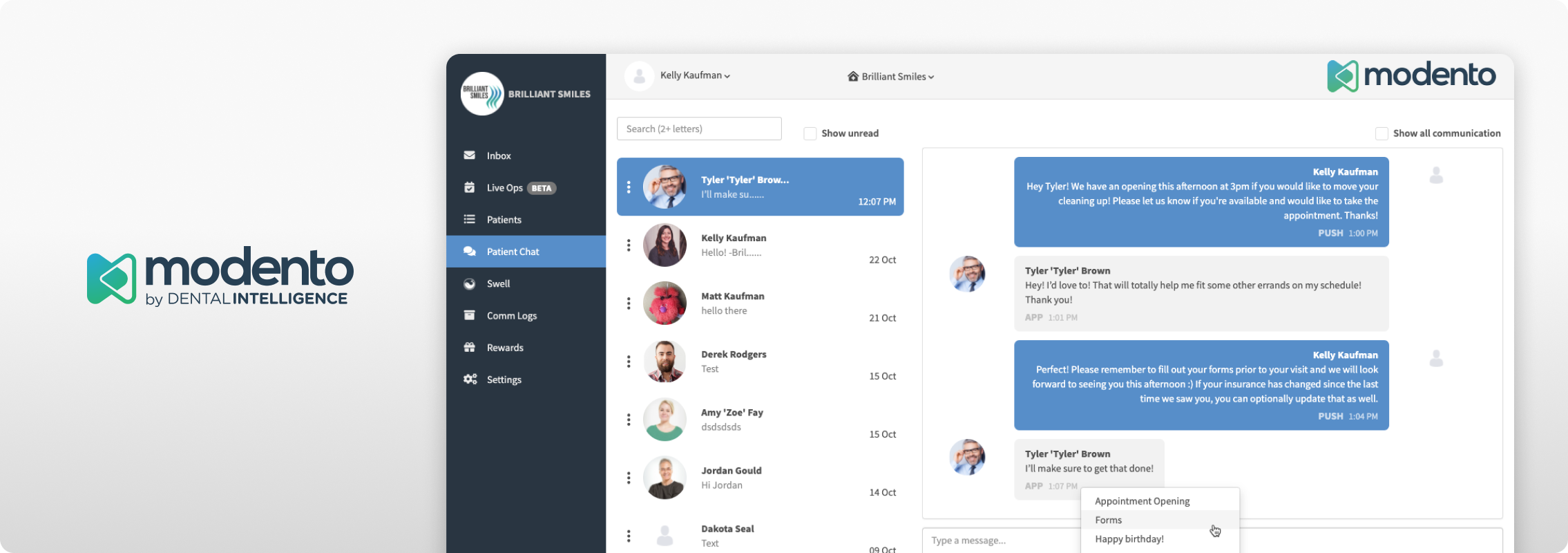
Modento screen via b2saas.com
Modento. Modento is primarily a patient engagement platform, with payment collection built in alongside appointment reminders and digital forms. It’s useful if you want to consolidate communication and billing in one place, but as a standalone dental payment processing solution, it doesn’t match EBizCharge on integration depth or payment flexibility.
Caresteam Dental
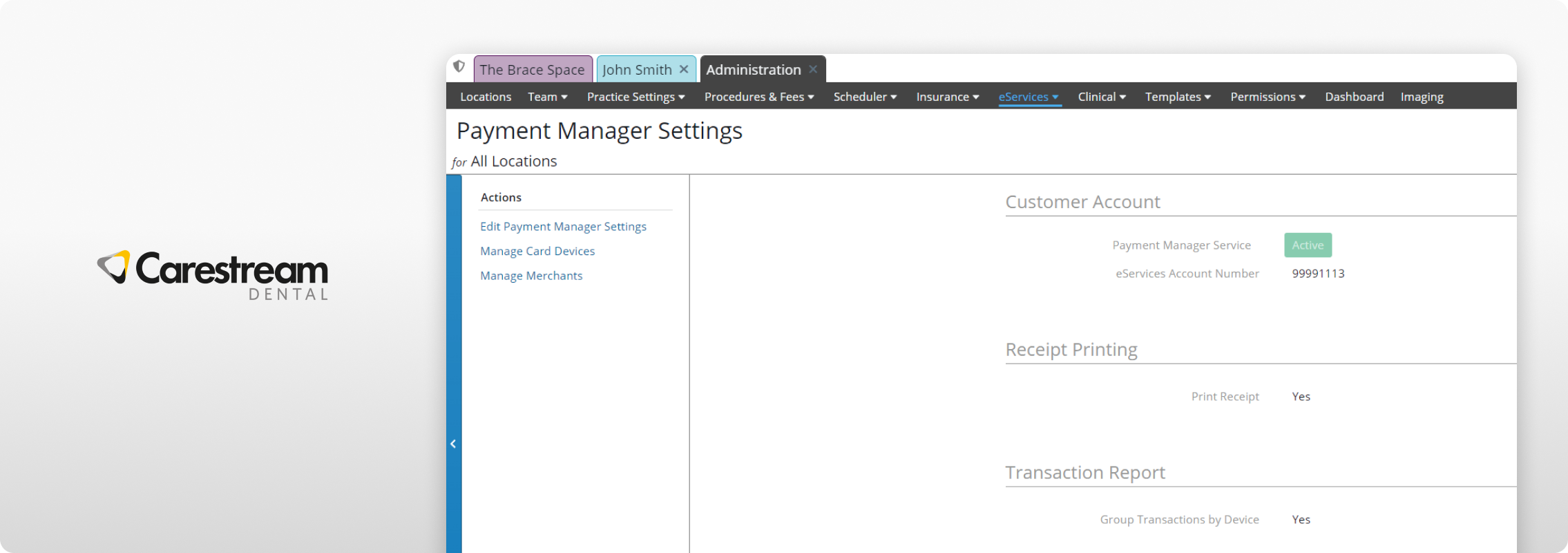
Carestream screen via help.carestreamdental.com
Carestream Dental. Known primarily for imaging technology, Carestream’s practice management suite includes payment processing capabilities. It makes sense for offices already running on Carestream’s platform. The trade-off is that payment processing services are tightly coupled to their ecosystem and offer limited flexibility as a standalone option.
Paytient
Paytient screen via paytient.com
Paytient. Paytient helps patients manage out-of-pocket costs through an employer-sponsored health card. It’s a financing tool rather than a full payment processing solution, but useful alongside a primary processor for elective-heavy practices.
Square
Square screen via squareup.com
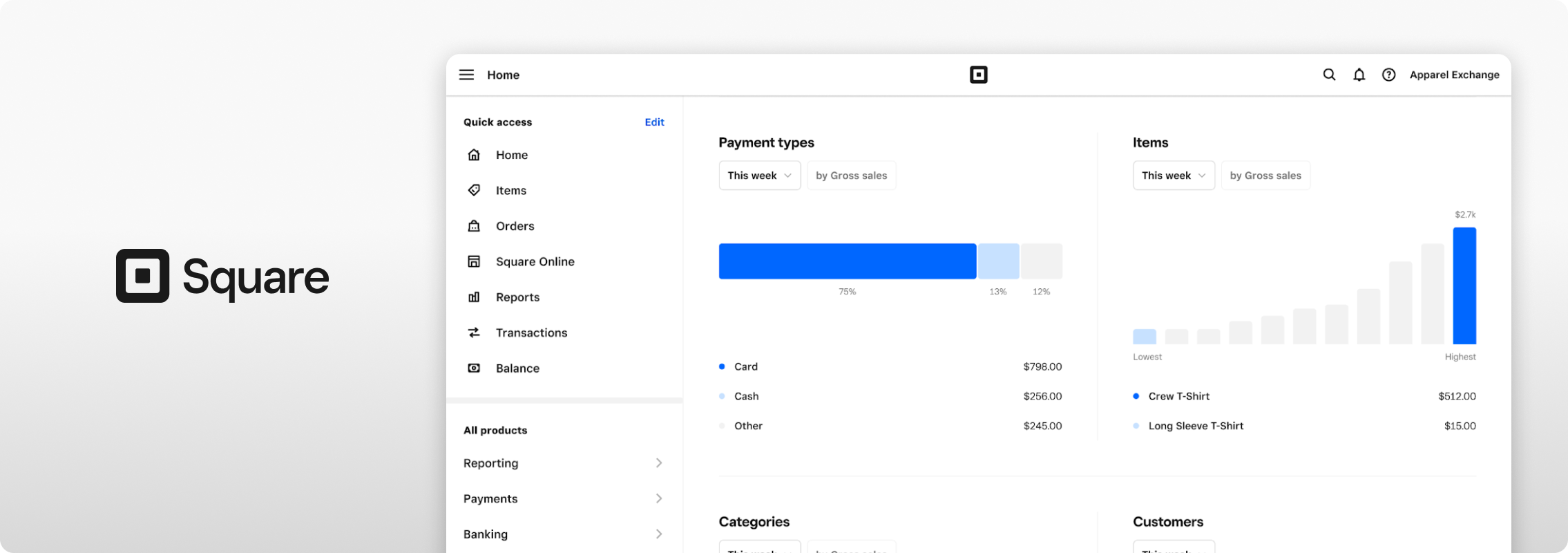
Square. Square handles simple transactions fine, but dental and optometry billing is rarely simple. Recurring billing is limited, practice management integration is minimal, and HIPAA compliance support is not a platform priority. Payment processing for optometrists or dentists trying to make Square work usually requires too many manual workarounds.
Stripe
Stripe screen via stripe.com
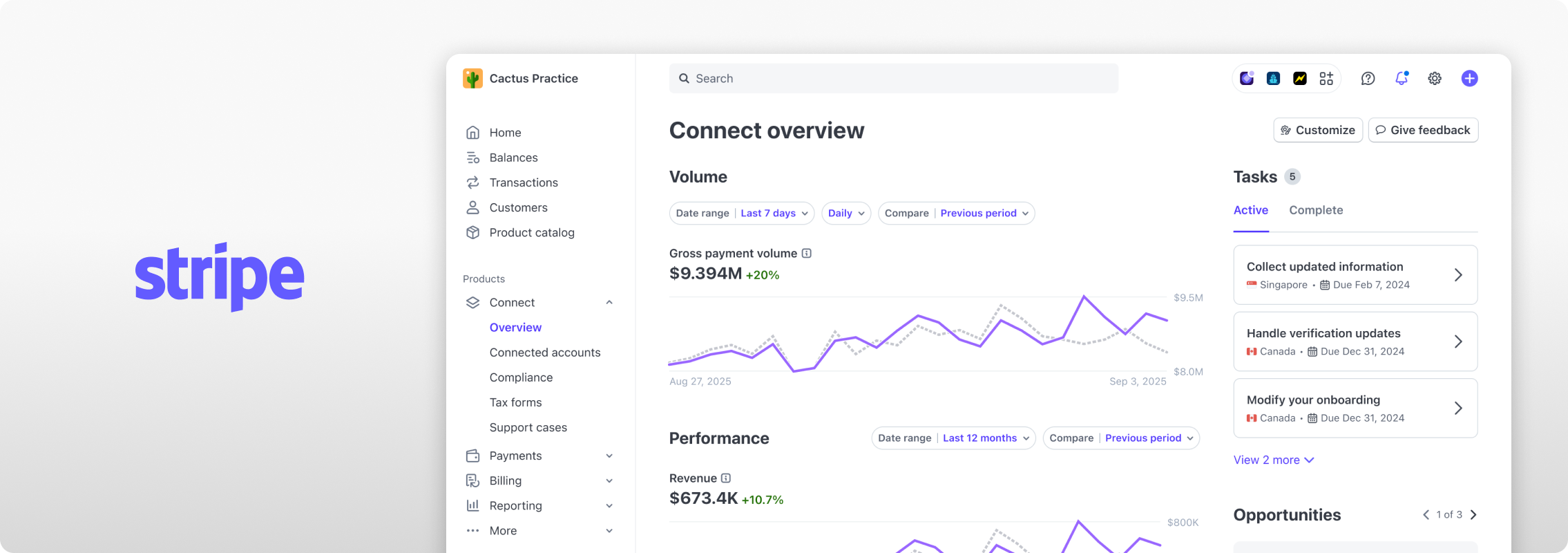
Stripe. Stripe can do almost anything with enough custom configuration, but dental and optometry offices generally don’t have engineering teams to build it. HIPAA compliance requires separate arrangement, practice management integration is a custom build, and the maintenance burden makes it a poor fit for practices that need payment processing software that works out of the box.
How to Narrow Down Your Options
Start with your non-negotiables: HIPAA compliance, a signed BAA, and clean integration with your practice management software. Any processor that can’t meet all three is off the list, whether you’re evaluating payment processing for optometrists managing frame sales or payment processing for dentists juggling insurance and out-of-pocket cases.
Then look at your billing patterns. If a significant portion of revenue comes from larger cases, recurring billing capability is non-negotiable. Payment processing for dentists with a heavy cosmetic or restorative caseload has different demands than a preventive-care-focused practice.
Get the full numbers on payment processing fees. A low advertised rate with a dozen ancillary line items often costs more than a cleaner structure at a slightly higher base rate. The right payment solution is one whose total cost of ownership makes sense for your practice volume. And ask about onboarding and support before you commit, not after.
Why EBizCharge Fits Dental and Optometry Practices So Well
You need payment processing for dentists and optometrists that keeps up with how patients pay, stays compliant with HIPAA and PCI, and syncs cleanly with your practice software. EBizCharge was built for exactly that environment. It’s a payment solution your front office can rely on rather than work around.
HIPAA-ready infrastructure and PCI compliance protect your practice. Integrations with Epic, MyChart, and QuickBooks keep billing clean. Credit card processing, ACH, online portals, and automated installment plans give patients real options. Transparent payment processing fees mean you always know what you’re spending.
Modento and Carestream make sense if you’re already in their ecosystems. But for a payment processing solution that covers everything dental and optometry practices need on its own merits, EBizCharge is the right call.
Frequently Asked Questions
Do dental and optometry practices need HIPAA-compliant payment processing?
Yes, when the payment system has access to patient billing information. A Business Associate Agreement from the processor is required under HIPAA.
What’s the difference between HIPAA compliance and PCI compliance?
HIPAA governs patient health information. PCI compliance governs card data handling. You need both, and a strong payment processor handles the PCI side for you.
How much do payment processing fees run for dental offices?
Credit card processing fees generally fall between 2% and 3.5% per transaction, with ACH running lower. At dental billing volumes, modest rate differences add up over a year.
Is EBizCharge a good fit for smaller practices?
Yes. Solo practitioners get the same compliance infrastructure, integrations, and support as larger customers.
Get paid faster with less work.
Get paid faster with less work.
3-minute product overview