
Blog > Medical Merchant Services: Payment Processing Built for Healthcare Providers
Medical Merchant Services: Payment Processing Built for Healthcare Providers

Healthcare providers deal with a different kind of payment environment than most businesses.
A retail store usually processes a transaction in seconds and moves on. A medical practice, on the other hand, might bill insurance first, collect a co-pay at check-in, send a follow-up invoice weeks later, and then manage a payment plan for the remaining balance. Add patient privacy requirements into the mix, and payment processing becomes far more complicated than simply accepting credit cards.
That’s why many practices eventually move away from generic processors and start looking for medical merchant services designed specifically for healthcare. The right payment setup can make billing easier for staff, simplify the patient experience, and help reduce compliance risks that healthcare organizations can’t afford to ignore.
Why Healthcare Payment Processing Is Different
Healthcare payments rarely follow a straightforward path. Patients often pay in stages. Insurance claims create delays. Front office staff may need to process recurring payments, partial balances, financing arrangements, or outstanding invoices from prior visits. At the same time, every transaction touches sensitive patient information.
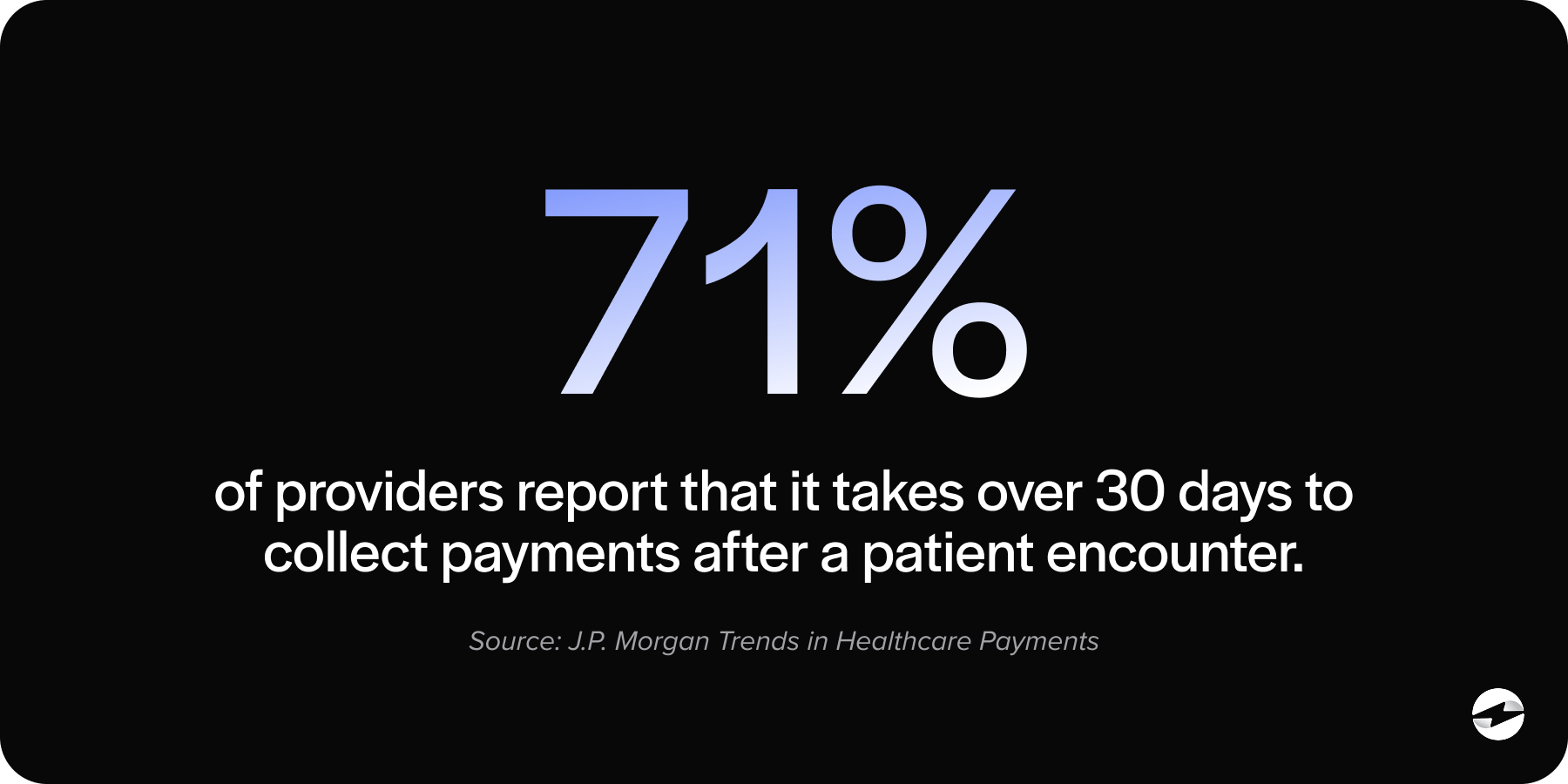
For healthcare providers, payment processing is tied directly to operational efficiency and patient trust.
That’s where healthcare merchant services become important. A standard payment processor may work well for restaurants or retail stores, but healthcare organizations need tools built around medical workflows.
This includes features like:
- HIPAA-conscious payment handling
- Secure patient payment portals
- EHR and practice management integrations
- Recurring billing tools
- Automated statements and reminders
- Secure stored payment methods
Without those capabilities, staff members often end up relying on disconnected systems and manual workarounds that create more room for billing errors and administrative headaches.
For busy healthcare professionals and office managers, that extra friction adds up quickly.
The Importance of HIPAA Compliance in Payment Processing
One of the biggest differences between generic merchant services and medical merchant services is HIPAA compliance. Healthcare providers already understand how strict patient privacy regulations can be. Even though payment processing itself falls under PCI compliance requirements, healthcare organizations also need to think about how payment systems interact with protected health information.
That includes patient names, billing details, treatment-related information, and account histories.
A healthcare-focused payment processor is designed with those concerns in mind.
HIPAA-compliant systems typically include:
- End-to-end encryption
- Secure tokenization
- Controlled user permissions
- Secure payment data storage
- Audit trails and reporting
- Reduced exposure of sensitive information
These protections matter because healthcare providers are frequent targets for cyberattacks. A breach involving patient payment data can damage trust and create significant compliance problems.
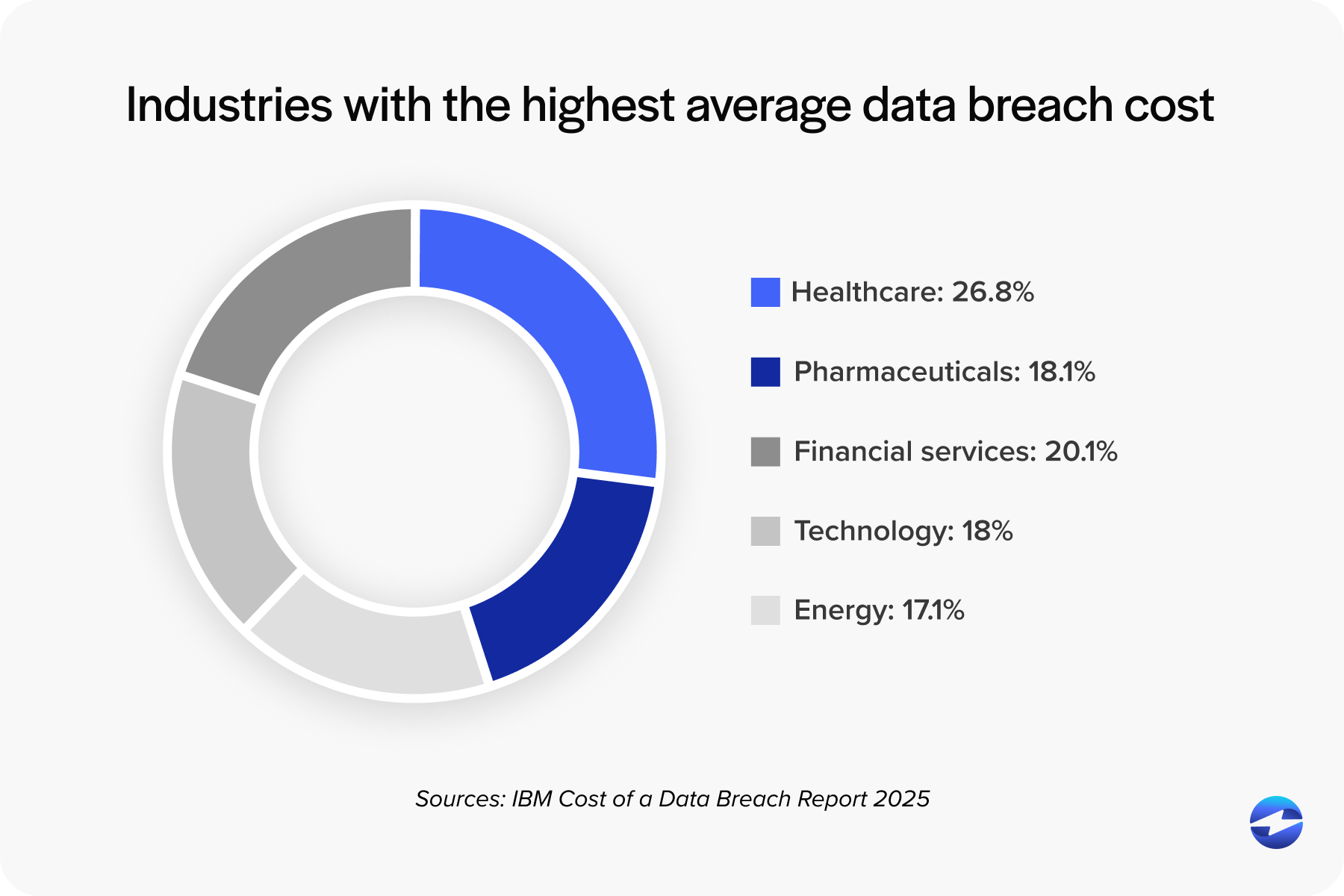
Generic payment tools may not account for the unique ways healthcare organizations store and manage patient information. That gap creates unnecessary risk.
A specialized payment processing solution helps close that gap while making day-to-day operations easier for staff.
What Medical Practices Need From a Merchant Services Provider
Not all merchant services providers are built for healthcare environments. Medical offices need more than a basic terminal and online checkout page. They need systems that fit naturally into the way healthcare billing actually works.
One of the most important features is integration. Front office teams already spend enough time moving between systems. When payment data doesn’t sync with practice management software or EHR platforms, staff members are forced to manually reconcile transactions, update patient balances, and track outstanding invoices by hand.
That process slows everything down. Strong merchant services for healthcare businesses should integrate directly with healthcare software platforms, so billing information stays connected automatically.
Practices should also look for:
Flexible Payment Options
Patients expect convenience. Many prefer to pay online, through mobile devices, or using saved payment methods.
A modern payment solution should support:
- Online payments
- Mobile-friendly billing
- Text-to-pay links
- Email payment requests
- Contactless payments
- Recurring payment plans
The easier it is for patients to pay, the more likely practices are to collect balances faster.
Secure Patient Payment Portals
A secure payment portal gives patients more control over their billing experience. Instead of calling the office to make a payment or request account information, patients can log in, review balances, and pay securely online whenever it’s convenient for them.
That reduces administrative workload for staff while improving the patient experience.
For healthcare providers dealing with high patient volume, a reliable payment portal can make a noticeable difference in collections and front-desk efficiency.
Recurring Billing and Payment Plans
Healthcare expenses are often unpredictable for patients. Many practices now offer installment plans or recurring billing arrangements to make payments more manageable. A healthcare-focused payment processing solution should make these options easy to set up and manage without creating extra work for office staff.
Recurring billing tools also help reduce missed payments and manual follow-up efforts.
Why Integrations Matter in Healthcare Payments
Integrations are one of the most important parts of healthcare merchant services. Without integration, payment processing becomes disconnected from the rest of the practice workflow. Staff members may need to enter payment information manually, update patient accounts separately, or spend hours reconciling reports.
Integrated systems eliminate much of that friction. For example, many healthcare organizations rely on patient portals like MyChart to improve communication and patient engagement. Payment integrations within MyChart allow patients to view statements and make payments directly through the platform they already use for appointments, records, and messaging.
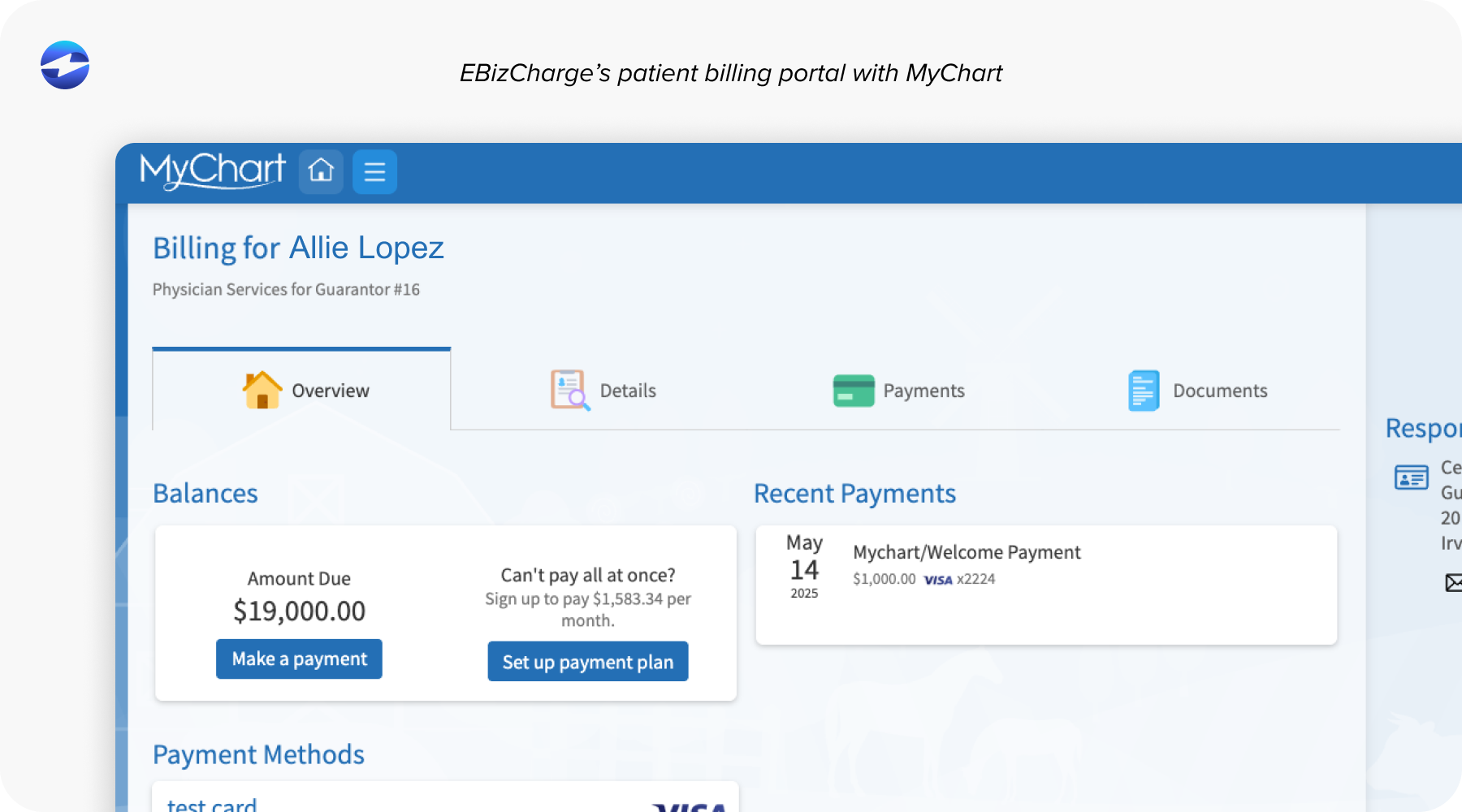
That convenience matters. Patients are more likely to complete payments when the process feels simple and familiar.
Dental practices face similar challenges. Dentma integrations help dental offices connect payment processing directly to practice management workflows. Payments can sync automatically with Dentma, balances update in real time, and staff members spend less time handling manual reconciliation.
These integrations may sound small on paper, but they have a real impact on daily operations. When systems communicate properly, offices run more smoothly.
How EBizCharge Supports Healthcare Providers
Healthcare organizations need payment tools that fit naturally into their existing workflows. That is one reason many providers turn to EBizCharge as their payment processing solution.
EBizCharge is designed to support the specific needs of healthcare practices, including medical offices, dental clinics, and specialty providers. Instead of forcing practices to rely on disconnected systems, EBizCharge helps unify billing, payments, and software integrations into a more streamlined process. The platform supports HIPAA-conscious payment processing practices while helping organizations maintain secure payment environments for patients.
Security features include encrypted payment handling, tokenization, and secure storage methods designed to reduce exposure to sensitive patient information. For healthcare providers, that added layer of protection matters.
EBizCharge also supports integrations with platforms like MyChart and Dentma, helping practices connect payment workflows directly to the systems they already use every day. This creates a more seamless experience for both patients and staff. Patients can pay through familiar interfaces, while office teams spend less time manually updating records or reconciling transactions.
In addition, EBizCharge offers tools like:
- Secure online payment portals
- Recurring billing
- Text-to-pay functionality
- Email payment requests
- Mobile payment options
- Automated payment tracking
For merchant services for medical offices, these tools can help reduce administrative strain while improving overall collections.
How HIPAA-Compliant Processors Differ From Generic Processors
At first glance, many payment platforms may appear similar. Most processors can accept cards, send invoices, and support online payments. The difference is what happens behind the scenes. A generic payment processor is usually designed for broad commercial use. Healthcare organizations operate under very different conditions.
HIPAA-compliant healthcare merchant services are built to accommodate:
- Sensitive patient data handling
- Complex billing cycles
- Insurance-related payment timing
- Partial and installment payments
- Integrated healthcare software workflows
- Secure patient communication requirements
Those differences become especially important as practices grow.
A small office using disconnected payment tools may manage for a while, but scaling those processes becomes difficult over time. Staff members spend more time correcting billing errors, reconciling payments, and answering patient billing questions. A healthcare-focused merchant services provider helps reduce those operational bottlenecks.
The goal is not just payment acceptance. It’s creating a smoother financial experience for both patients and providers.
Choosing the Right Medical Merchant Services
Every healthcare organization has different operational needs, but there are a few areas every practice should evaluate carefully before choosing a payment processor.
First, security and compliance should always come first. Healthcare providers should understand how a payment solution approaches HIPAA-conscious workflows, encryption, tokenization, and secure storage practices.
Second, integrations matter just as much as payment features. A disconnected system often creates more administrative work than it solves. Merchant services for healthcare businesses should fit naturally into existing EHR, billing, and practice management systems.
Finally, patient experience should not be overlooked. Patients increasingly expect healthcare payments to feel as simple as other digital transactions in their daily lives. Convenient payment portals, mobile billing options, and recurring payment tools help meet those expectations while improving collection rates.
The best medical merchant services don’t just process payments. They help healthcare organizations operate more efficiently while creating a better experience for patients and staff alike.