

5 Best Payment Processing Solutions for Insurance Companies in 2026


Collecting insurance payments can get complicated quickly. Premiums may come in online, over the phone, and when your payment system doesn’t connect with your accounting, ERP, or CRM software, your team may end up entering information twice, matching payments by hand, and trying to keep financial records up to date.
At the same time, policyholders expect a secure and convenient way to pay. For agencies, MGAs, and carriers, that means finding a payment solution that makes it easier to collect premiums, protect payment data, reconcile transactions, and keep up as the business grows.
This article covers 5 of the best payment processing solutions for insurance companies in 2026, what to look for in an insurance payment processing solution, and how to find the right fit for your business.
What to Look for in a Payment Processing System for Insurance
Not every payment processor is built for the way insurance companies collect and manage payments. Before comparing your options, use this quick checklist to see whether a solution can keep up with your business:
☐ Does it connect with your existing systems?
Look for integrations with the accounting, ERP, CRM, or other business software your team already uses.
☐ Can policyholders pay on their terms?
Consider cards, ACH/eCheck, online payment links, and a self-service payment portal.
☐ Can it handle recurring premiums?
Recurring and scheduled billing can make monthly, quarterly, or annual premium collection easier to manage.
☐ Does it keep payment information secure?
Look for PCI compliance, tokenization, encryption, and other tools that protect sensitive payment data.
☐ What happens after a payment comes in?
Reporting, payment matching, and reconciliation tools can reduce the amount of work left for your finance team.
☐ Can it grow with your organization?
If you manage multiple locations, entities, carriers, or agents, make sure the platform can support that complexity.
☐ Is help available when you need it?
Responsive customer support matters when a payment issue is holding up your team or a policyholder.
Checked the boxes that matter most to your business? Now let’s compare five payment processing solutions.
Comparing the Best Insurance Payment Processing Solutions
| Feature |  |
 |
 |
 |
 |
|---|---|---|---|---|---|
| Best for | Integrated payment workflows | Workers’ comp | Multiple payment channels | Self-service payments | Inbound and outbound payments |
| Card/ACH | Yes | Limited | Yes | Yes | Yes |
| Recurring billing | Yes | Pay-as-you-go | Varies | Yes | Yes |
| Payment portal | Yes | Limited | Yes | Yes | Payment & recurring billing tools |
| Insurance-specific | No (is broad ERP/CRM fit) | Yes | Yes | Yes | Yes |
Scroll to compare 
5 Best Payment Processing Solutions for Insurance Companies
The best payment processing solution will depend on how your insurance business collects premiums, the systems you already use, and the payment experience you want to provide policyholders. Here are five options that stand out for different insurance payment needs.
1. EBizCharge: Best Overall for Integrated Payment Workflows
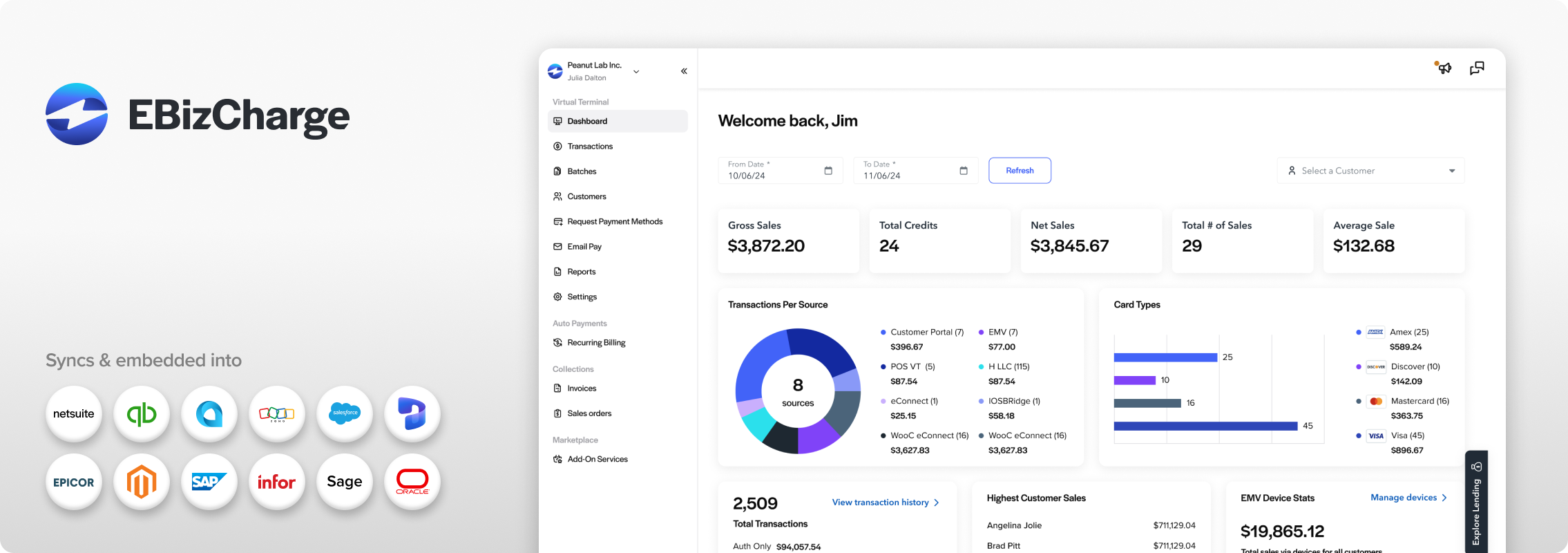
EBizCharge is a strong fit for insurance businesses that want to collect payments while keeping payment data connected to the accounting, ERP, CRM, or other core systems their teams already use.
Key features include:
- Credit, debit, and ACH/eCheck payments
- Recurring and scheduled billing
- Securely stored payment methods
- Email payment links and a self-service customer portal
- PCI-compliant tokenization and encryption
- Automatic payment posting and reconciliation within supported integrations
- 100+ ERP, accounting, CRM, and eCommerce integrations
- U.S.-based customer support
2. InsurePay: Best for Pay-As-You-Go Workers’ Compensation
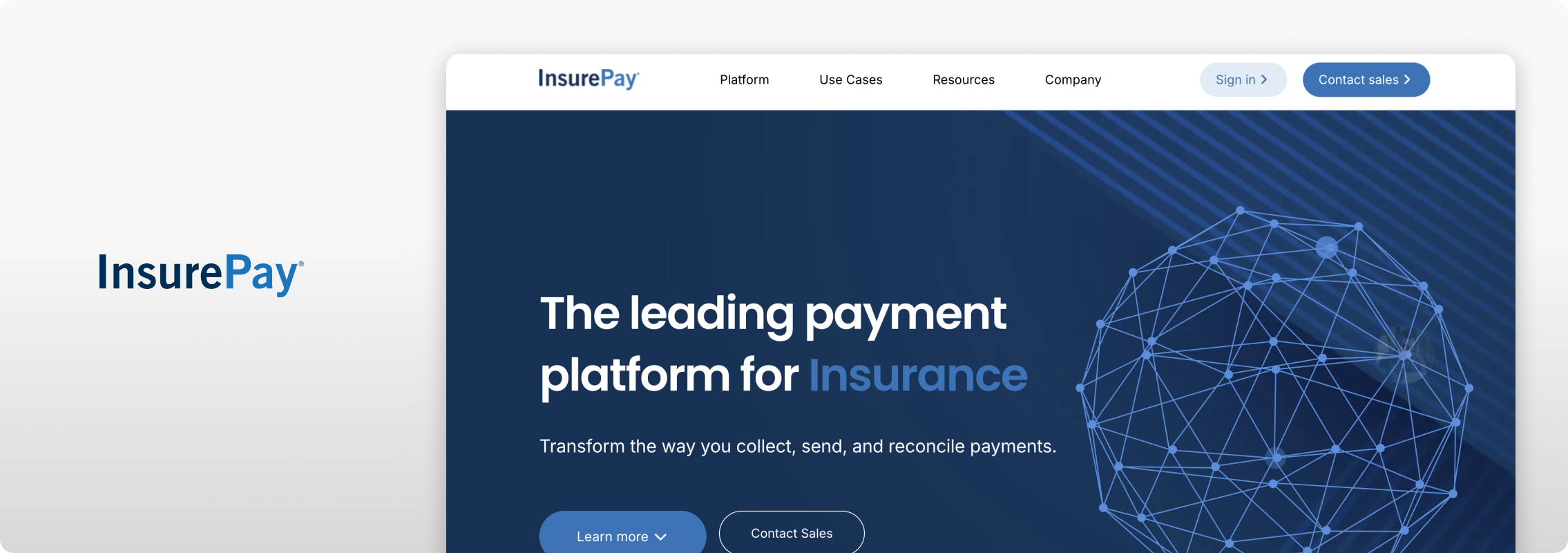
InsurePay screen via insurepay.com
InsurePay is an insurance-specific platform focused on workers’ compensation and pay-as-you-go premium collection.
Key features include:
- Pay-as-you-go workers’ compensation workflows
- Premium collection and reconciliation
- Carrier, MGA, and agency connections
- Insurance-specific payment workflows
3. Paymentus: Best for Multiple Policyholder Payment Channels
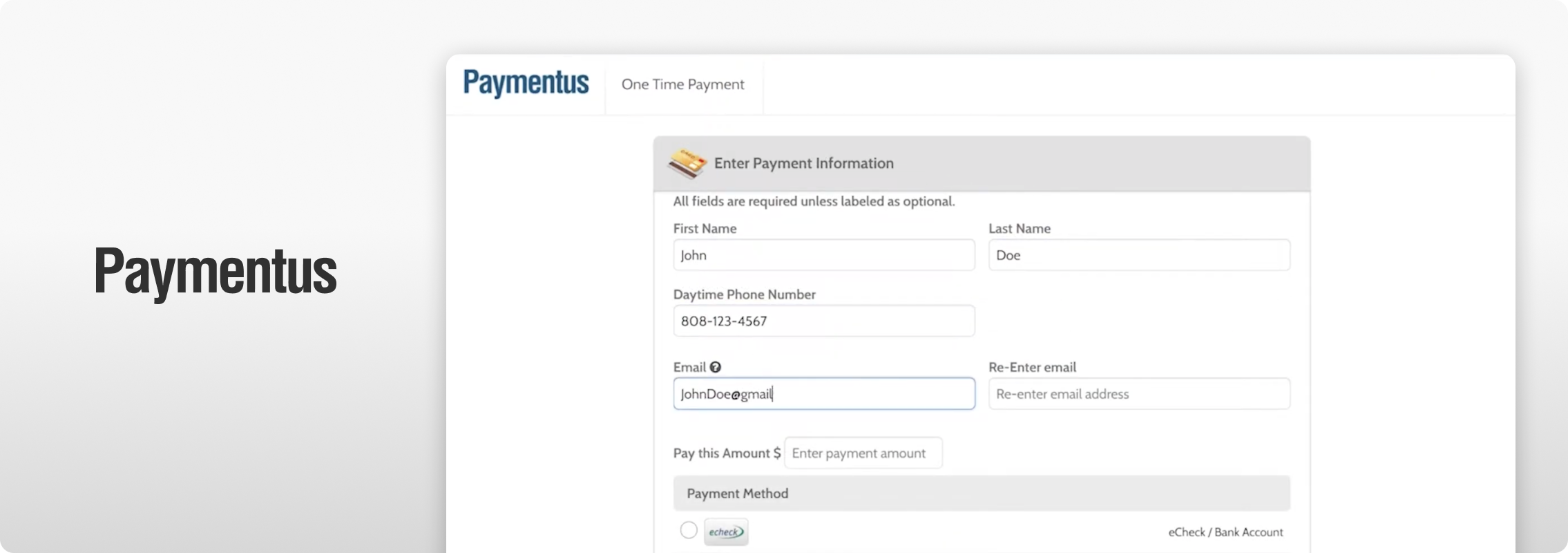
Paymentus screen via youtube.com
Paymentus is designed for insurance companies that want to offer multiple ways to pay a premium, whether a policyholder pays online, by phone, or through another digital channel.
Key features include:
- Online payments
- Digital wallets
- IVR and phone payments
- Retail payment options
- Electronic billing and payment communications
4. InvoiceCloud: Best for Self-Service Policyholder Payments
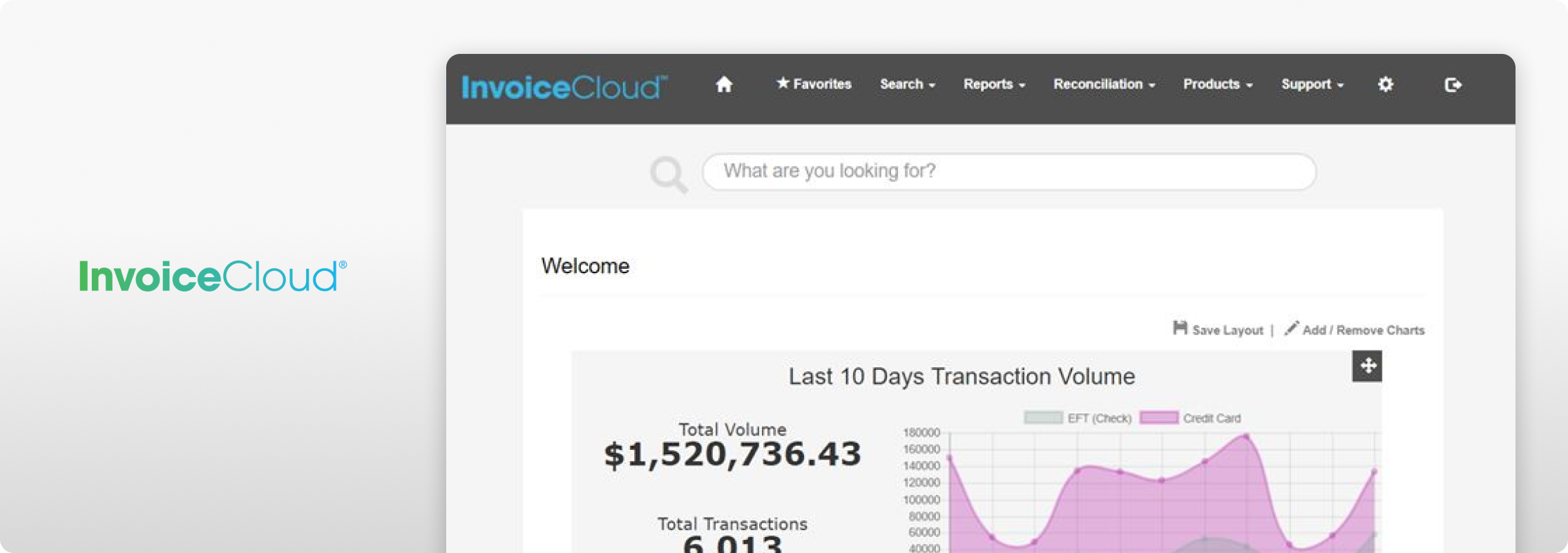
InvoiceCloud screen via capterra.com
InvoiceCloud focuses on digital billing and self-service payment experiences that make it easier for policyholders to receive bills and manage payments online.
Key features include:
- Self-service payment portal
- Automated payment reminders
- Digital billing
- One-click payment options
- Recurring and autopay capabilities where supported
5. Tranzpay: Best for Inbound and Outbound Insurance Payments
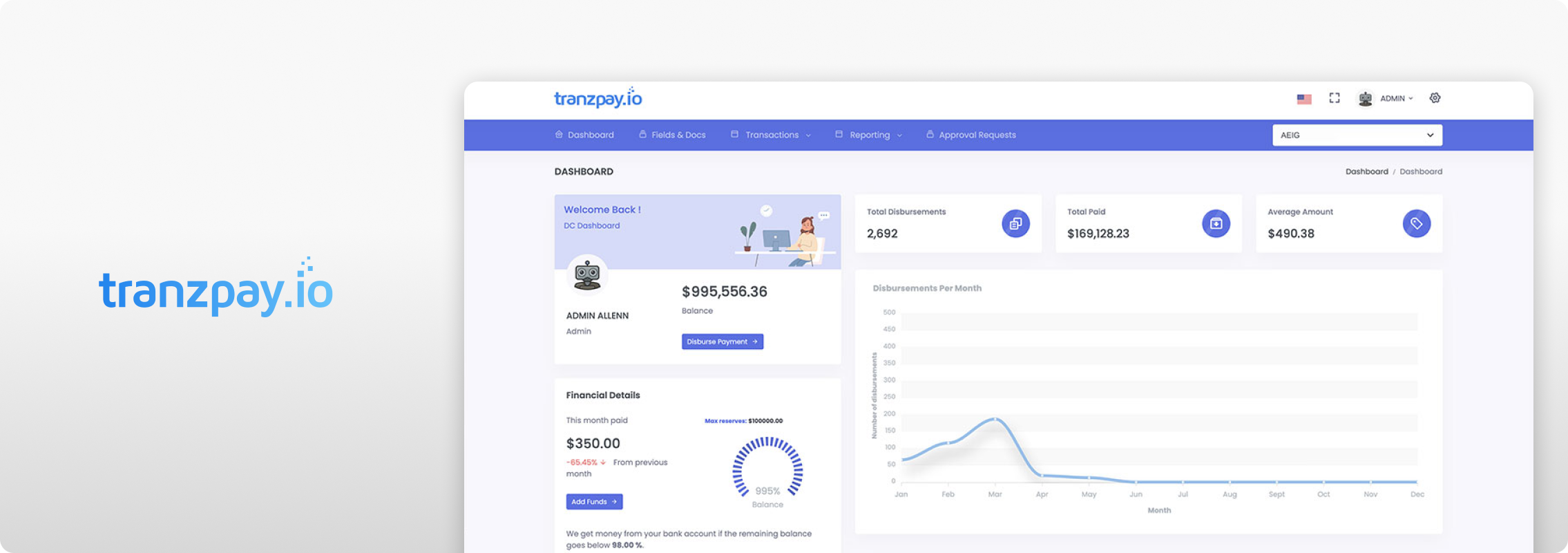
Tranzpay is designed for insurance organizations managing both premium collection and claims-related disbursements.
Key features include:
- Premium collection
- Claims payments and disbursements
- Insurance-specific payment workflows
- Payment reporting and visibility
Why Integration Matters in Insurance Payment Processing
A payment can go through successfully and still create more work for your team. When your payment system doesn’t connect with the other systems your business relies on, your finance team may have to re-enter information, match payments to accounts, update records, and reconcile deposits by hand.
That’s where integration matters. Connecting payments with your accounting, ERP, CRM, or other business systems can reduce manual steps and give your team better visibility into what’s been paid and where each payment belongs.
The right payment processing system for insurance should do more than collect a premium. It should make getting paid easier for the policyholder and managing that payment easier for your team.
How to Choose the Right Payment Processing System for Your Insurance Business
- Map your payment process from premium to reconciliation. Look at how a payment moves through your business and identify where delays, disconnected systems, or extra steps occur.
- Consider how your policyholders prefer to pay. Make sure the solution supports the payment methods your customers use, such as ACH/eCheck, credit and debit cards, autopay, online portals, and phone payments.
- Identify repetitive manual tasks. Look for time-consuming work such as entering payment information, matching payments to accounts, updating records, or moving data between systems.
- Evaluate how the solution integrates with your existing software. Your payment processor should work with your accounting, ERP, CRM, to help keep payment and financial data connected.
- Think beyond collecting the premium. Once a payment comes in, your team still needs to make sure it’s posted correctly and matched to the right account. Look for a solution that makes those next steps easier, especially for recurring payments.
Simplify Premium Collection With EBizCharge
Insurance payment processing should make premium collection easier, not create more work for your team.
EBizCharge gives insurance businesses flexible ways to collect premiums while keeping transactions connected to supported accounting, ERP, and CRM systems. Recurring billing, ACH/eCheck, saved payment methods, payment links, and a self-service portal make it easier for policyholders to pay, while integrated workflows help reduce manual entry and reconciliation behind the scenes.
By making the process easier for both policyholders and your team, EBizCharge can help keep premium collection moving without adding unnecessary manual work.
See how EBizCharge can simplify your insurance payment workflows
FAQ
What is insurance payment processing?
Insurance payment processing is how insurance businesses collect and manage premium payments from policyholders. It can include credit and debit cards, ACH/eCheck, online payments, and recurring billing. A payment processing system can also help protect payment information and make it easier for finance teams to track and reconcile premiums.
What should I look for in a payment processing system for insurance companies?
Start with how well the system fits how your business already collects and manages premiums. Check whether it connects with your existing software, supports recurring and ACH payments, protects payment data, and gives policyholders an easy way to pay.
Can insurance payment processing integrate with my accounting systems or ERP?
It depends on the payment processor and the software your business uses. EBizCharge integrates with supported ERP, accounting, and CRM systems, so payment information flows back into your existing system without your team having to re-enter it manually.
Is it safe to store policyholder card and bank information?
Yes, as long as the processor uses PCI-compliant tokenization and encryption, which replaces sensitive card and bank data with secure tokens so raw information is never stored or exposed to staff.
Can policyholders pay premiums online or set up autopay?
Policyholders can pay premiums online when their insurance company offers a digital payment option. Autopay may also be available for recurring premiums, so customers don’t have to remember to make the same payment each billing cycle.
Do insurance payment processors support ACH and eCheck, not just cards?
Yes, ACH and eCheck are available with many insurance payment processors, including EBizCharge. This gives policyholders another option for paying premiums besides using a credit or debit card.
How is EBizCharge different from a standalone insurance billing platform?
EBizCharge brings payment processing into the accounting, ERP, and CRM systems your team already uses. Instead of managing payments in a separate system, your team can keep payment information connected and spend less time manually posting and reconciling transactions.
Get paid faster with less work.
Get paid faster with less work.
3-minute product overview