

5 Best Payment Processing Solutions for Local Governments in 2026


A resident pays a utility bill online. Another stops by city hall to pay for a permit. Someone else signs up for a recreation program, while a local business renews its license.
To the resident, each interaction may take only a few minutes. Behind the scenes, those payments can travel through different departments, systems, and processes before they ever reach the right financial record.
That’s what makes government payment processing different. Local governments aren’t simply looking for a way to accept a card. They need a system that can handle a wide range of transactions without creating more administrative work for the employees managing them.
The right solution can bring those moving pieces together. According to the U.S. Department of the Treasury’s Bureau of the Fiscal Service, digital payment options can give people the flexibility to make payments anytime, from anywhere, using a computer, smartphone, or tablet. For local governments, that convenience should also make things easier behind the scenes by helping finance teams keep payment data organized, secure, and accounted for.
So, which platforms are equipped to handle the job?
Why Payment Processing Matters for Local Governments
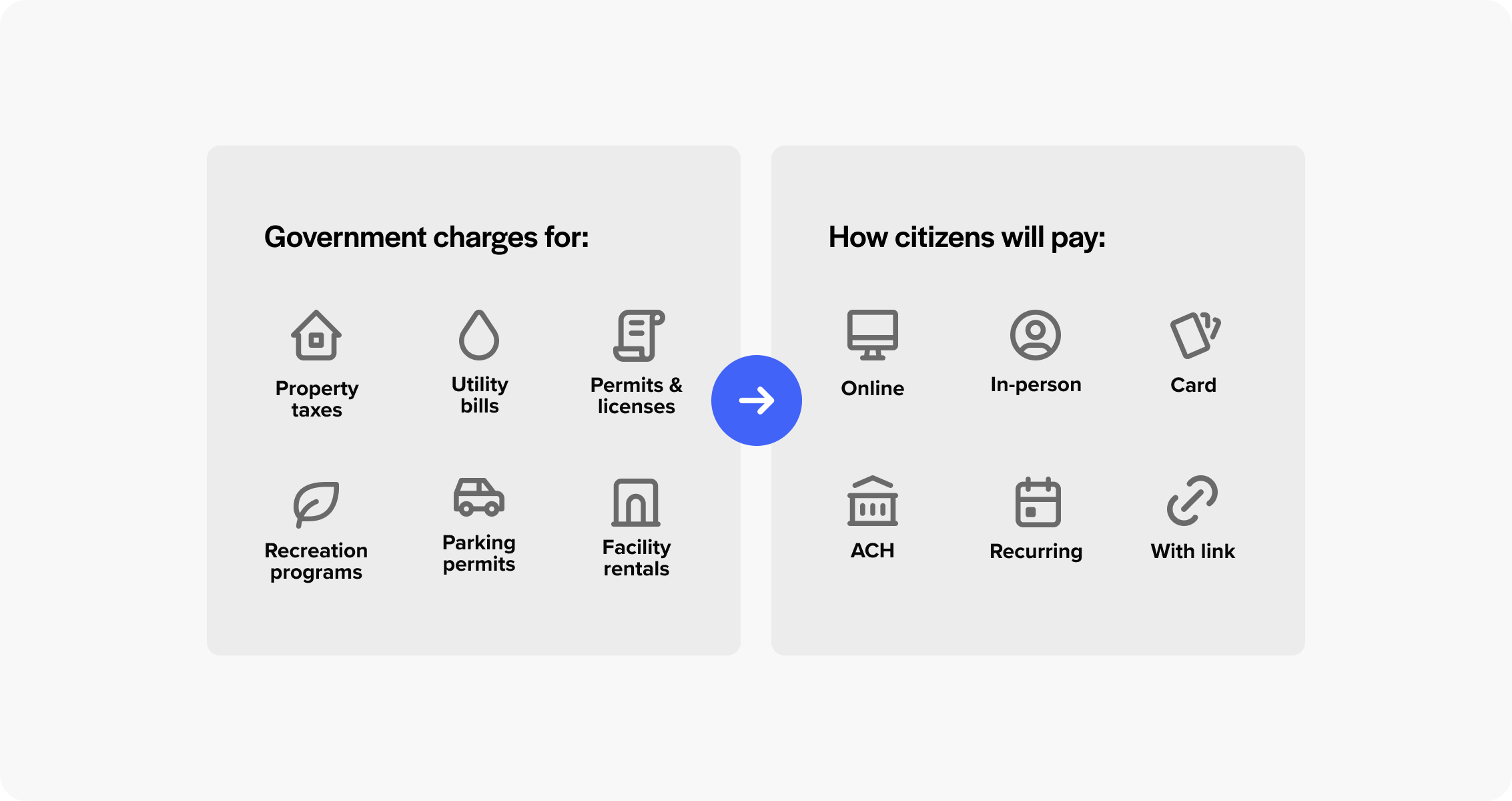
Think about how many reasons someone might pay their local government in a single year:
- Property taxes
- Utility bills
- Permits and licenses
- Business registration fees
- Code violation fines
- Parking permits and citations
- Recreation and community program fees
- Facility rentals
- Other municipal fees and invoices
Now multiply that by thousands of residents and several departments.
Accepting all those payments is one thing. Keeping track of them is another.
A utility payment may follow a completely different process than a permit fee or recreation registration. When departments rely on separate systems and workflows, finance teams can be left piecing together what was paid, where the money belongs, and whether it was properly recorded.
That’s why the best government payment solutions go beyond accepting a transaction. They help create a more connected process from the moment a resident pays to when the payment is recorded and reconciled.
What Should Local Governments Look for in a Payment Processor?
There are many ways to accept payments. The bigger question is whether the technology fits how your municipality operates.
Convenient Ways to Pay
Residents expect flexibility when it’s time to pay a bill or fee. That could mean paying online, using a card or ACH/eCheck, setting up recurring payments, or paying in person. Your payment processor should support those choices without complicating the process.
Integration and Automation
Getting paid is only half the process. If staff still have to enter payment information into an accounting or ERP system, match transactions, and reconcile everything by hand, the work isn’t over. Connecting those systems can take much of that manual follow-up off their plate.
Security
Government payments involve sensitive financial information. According to the U.S. Department of the Treasury’s Bureau of the Fiscal Service, PCI compliance, encryption, and tokenization are key safeguards for protecting cardholder data. Look for a payment solution that combines these protections with fraud prevention tools.
Reporting and Visibility
Staff shouldn’t have to search through multiple systems to answer a simple payment question. Look for clear visibility into transaction status, payment history, and where each payment belongs.
Scalability
Your payment needs may extend beyond one department. Consider whether the platform can support additional payment types, departments, and digital services as your municipality evolves.
With these priorities in mind, here are five government payment processing solutions worth considering in 2026.
Side-by-Side Comparison
| Feature |  |
 |
 |
 |
 |
|---|---|---|---|---|---|
| Best for | Finance departments using a major ERP | Mid-to-large municipalities | Multi-department agencies | Tax collection agencies | Tech-forward civic platforms |
| What sets it apart | Auto reconciliation inside ERP | Built-in gov. ERP | Large variety of payment channels | Payer adoption services included | API & dev tools |
| Accounting/ERP integration |  |
 |
 |
|
|
| Recurring billing | |
|
|
|
|
| Customer payment portal | |
|
|
|
|
= partial or varies
Scroll to compare 
5 Best Payment Processing Solutions for Local Governments
1. EBizCharge
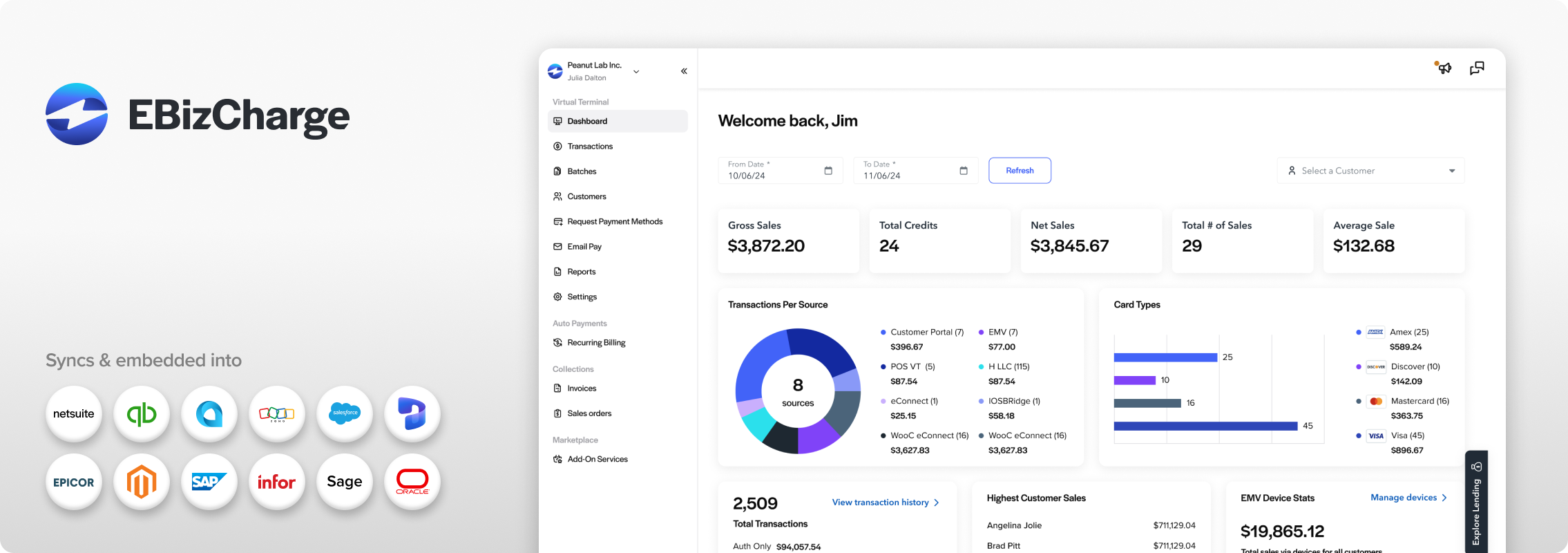
Best for: Local governments that want payment processing connected to their accounting or ERP system with less manual work after each transaction.
Key features:
- Credit, debit, and ACH/eCheck payments, online and in person
- Secure payment links and customer payment portal
- Recurring and automatic payments
- Automated payment posting and reconciliation within supported integrations
- 100+ ERP, accounting, CRM, and eCommerce integrations
- Tokenization, encryption, PCI compliance, and fraud protection
- Level 2 and Level 3 processing capabilities
- Payment reporting and visibility
- U.S.-based customer support
Why it stands out: EBizCharge connects directly with supported accounting and ERP systems to help automate payment posting and reconciliation, while giving payers the flexibility to pay online, in person, or over the phone using their preferred payment method. Level 2 and Level 3 processing can also help qualifying commercial and government card transactions to qualify for lower interchange rates.
2. Tyler Payments
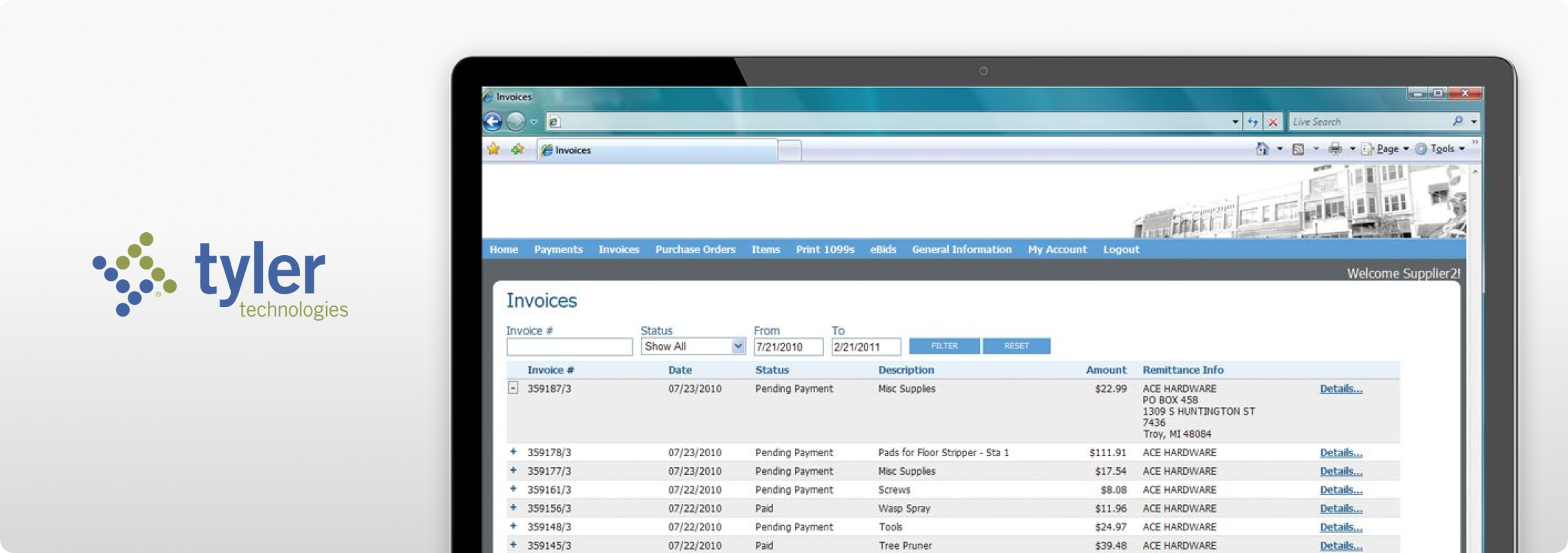
Tyler Technologies screen via tylertech.com
Best for: Local governments already using Tyler Technologies or looking for a platform built specifically for the public sector.
Key features:
- Online and in-person payments
- Credit card, eCheck, and digital wallet support
- Billing and presentment
- Reporting and reconciliation
- Tyler and third-party integrations
Why it stands out: Tyler Payments is purpose-built for public-sector payment workflows and fits within Tyler’s broader government technology ecosystem.
3. Paymentus
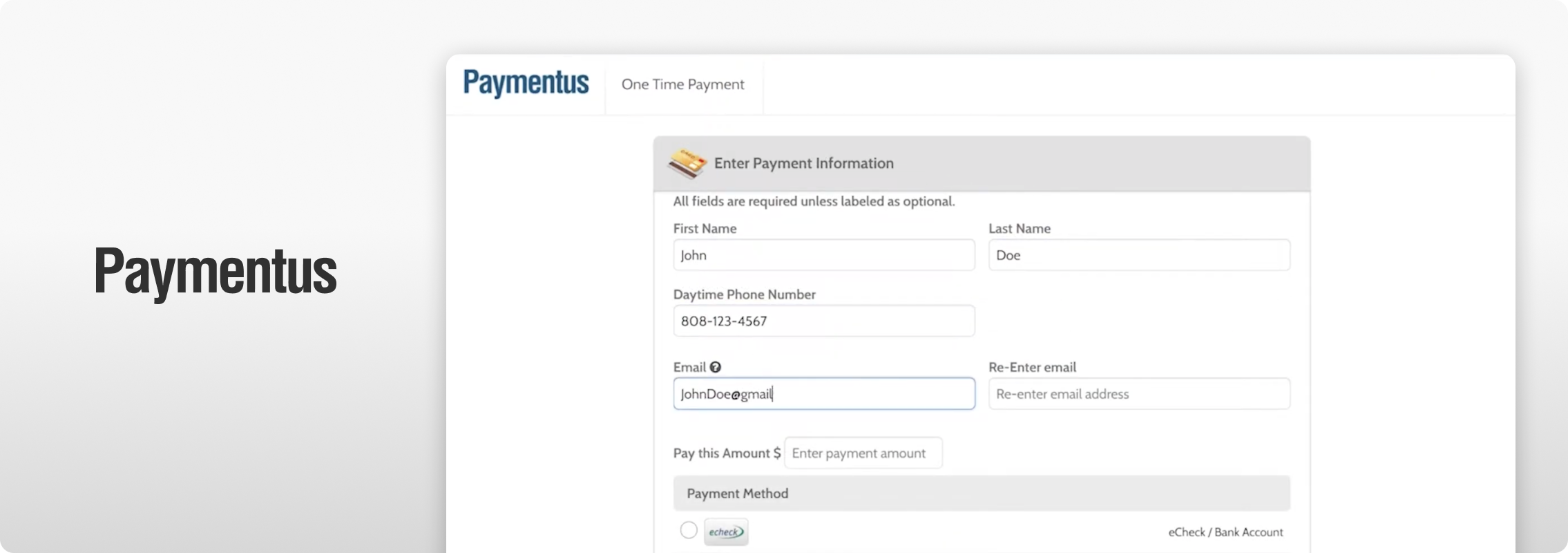
Paymentus screen via youtube.com
Best for: Local governments focused on giving residents more flexibility in how and where they pay.
Key features:
- Credit, debit, and ACH payments
- Online, mobile, and phone payments
- Self-service payments and AutoPay
- Saved payment information
- Reporting
Why it stands out: Paymentus emphasizes payment convenience, giving residents multiple ways to make and manage payments.
4. InvoiceCloud
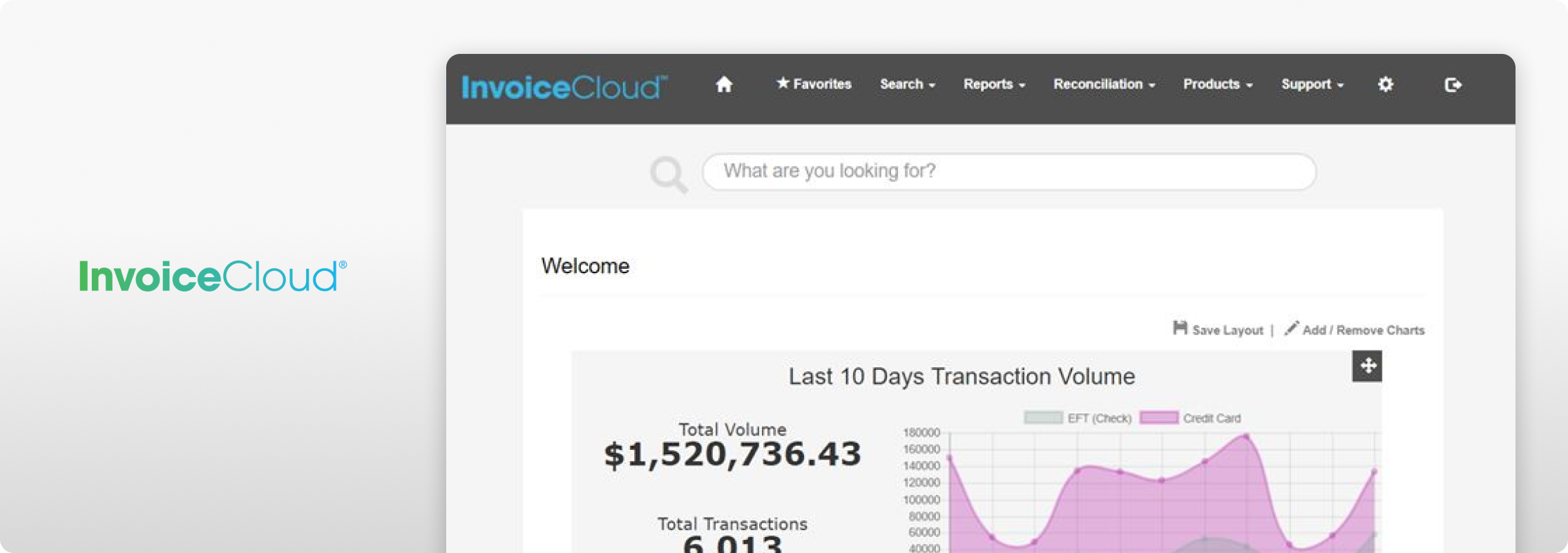
InvoiceCloud screen via sourceforge.net
Best for: Local governments looking to expand digital billing and self-service payment adoption.
Key features:
- Electronic bill presentment and online payments
- AutoPay
- Email and text reminders
- Self-service and digital payment options
- Billing system integrations
Why it stands out: InvoiceCloud focuses on electronic billing, reminders, and self-service tools designed to encourage digital bill delivery and payment adoption.
5. Stripe
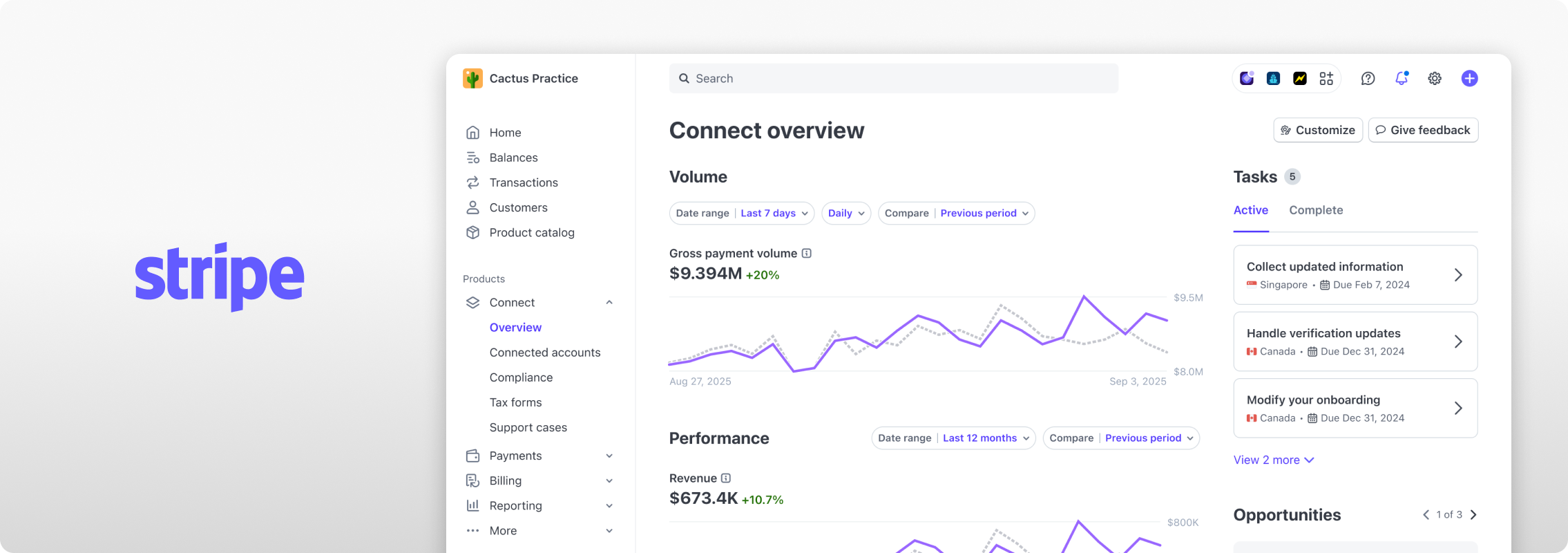
Stripe screen via stripe.com
Best for: Local governments or departments that want flexible, customizable digital payment capabilities.
Key features:
- Credit, debit, and ACH payments
- Recurring payments and saved payment methods
- Customizable checkout
- API and integration capabilities
- Fraud prevention
Why it stands out: Stripe offers flexibility for building customized payment experiences. As a general-purpose platform, municipalities should also consider how it will connect with their existing government and financial workflows.
Simplify Local Government Payments From Collection to Reconciliation With EBizCharge
A payment shouldn’t create more work than it solves.
EBizCharge connects payment processing with the financial systems local governments already rely on, creating a more streamlined path from collection to posting and reconciliation.
Finance teams can spend less time tracking down payments and sorting through manual tasks, giving them more time to focus on the people and programs they serve.
Your community has better things to do than chase payments. So does your team.
See how EBizCharge can simplify your local government payment workflow
FAQ: Government Payment Processing
What is payment processing for local governments?
It refers to how municipalities collect and manage payments for taxes, utilities, permits, licenses, fines, recreation programs, and other government services, from the initial resident payment through recording and reconciliation.
What is government credit card processing?
Government credit card processing allows local governments to securely accept card payments for government bills, fees, fines, and services, typically through an online portal, payment link, or in-person terminal.
What payment methods can local governments accept?
Depending on the provider, local governments can accept credit cards, debit cards, ACH/eCheck, online payments, in-person payments, and recurring payments.
How can local governments accept payments online?
Local governments can let residents pay through their website, a payment portal, or a secure payment link. Depending on the setup, those payments can also connect with existing billing, accounting, or ERP systems.
What should local governments look for in a payment processor?
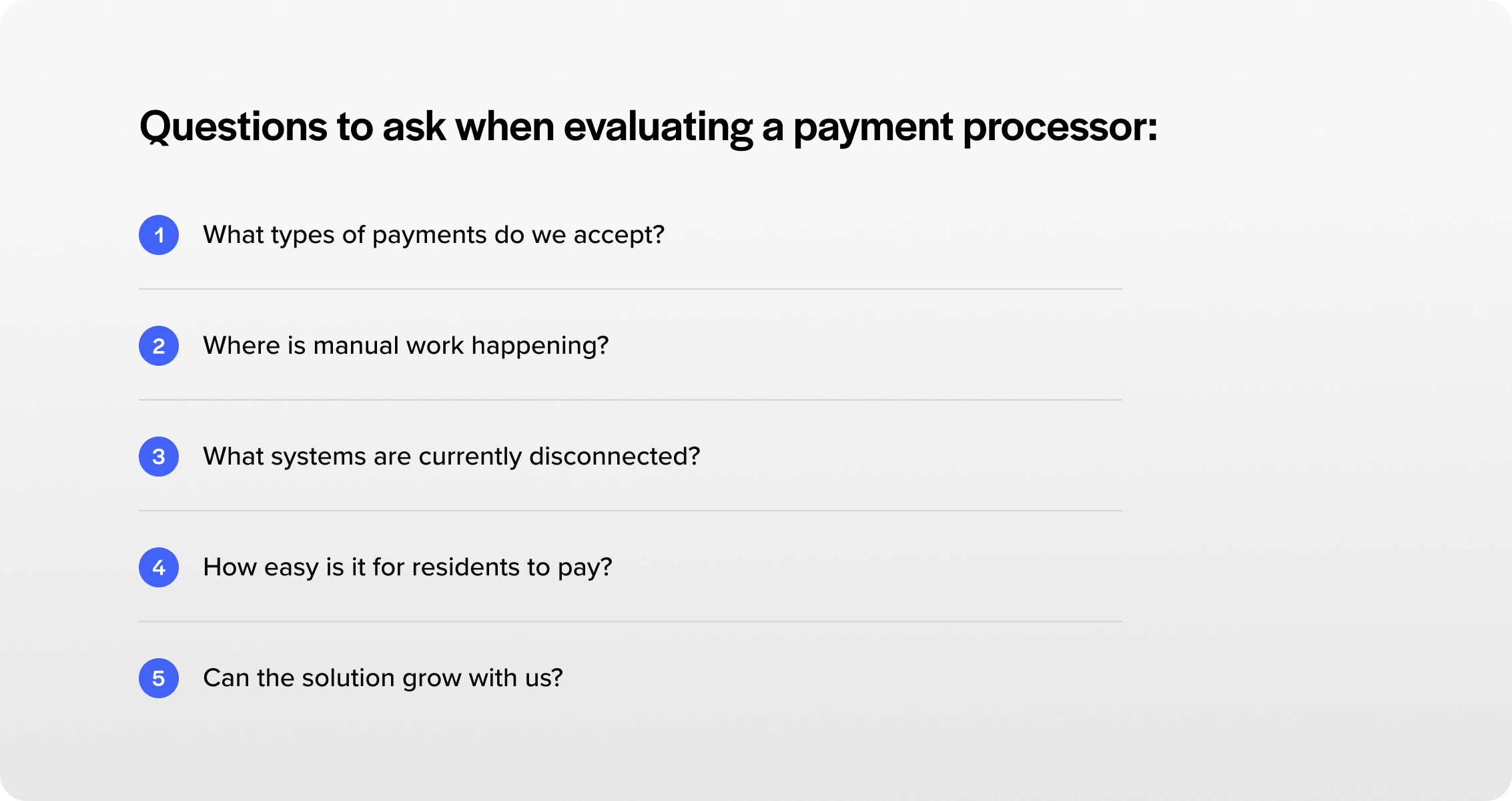
Start with the basics: security, convenient payment options, strong reporting, and the ability to connect with your existing financial systems. It’s also worth looking at how much manual work remains once a payment is made.
How can payment processing reduce manual work for government finance teams?
The right solution can reduce check processing, manual payment entry, payment matching, reconciliation, and disconnected financial records, freeing staff to focus on higher-value work.
How can local governments keep online payments secure?
Look for PCI compliance, tokenization, encryption, fraud prevention, and other safeguards for protecting sensitive payment information.
Can local government payment processing integrate with accounting or ERP software?
Capabilities vary by provider, but integrations can reduce duplicate data entry and streamline payment posting and reconciliation between the payment platform and the government’s financial systems.
Can local governments offer recurring payments?
Recurring payments may apply to utilities and other regularly billed municipal services, depending on the provider and the resident’s preference.
Get paid faster with less work.
Get paid faster with less work.
3-minute product overview