

5 Best Payment Processing Platforms for Fuel Oil & Propane Delivery


Walk into a gas station, swipe your card, and the transaction is done before you finish filling up. Fuel oil and propane delivery doesn’t work that way. Customers get their tanks filled on an automatic schedule or a will-call basis, then receive an invoice days later. Many are on budget billing programs, spreading their annual fuel cost across monthly payments. Commercial accounts expect terms. And when January temperatures drop, every one of these billing relationships kicks into high gear at the same time.
A cold snap that would be unremarkable in another industry means your company is processing three to five times its normal invoice volume, fielding will-call requests by phone, and billing budget plan accounts simultaneously. The payment processing software handling all of this needs to be solid. When it isn’t, cash flow gaps appear when the operation is under the most strain.
Most payment processors were designed for point-of-sale retail. Invoice-driven billing, budget plans, and ACH-heavy commercial accounts aren’t what they were built around. Finding the right payment processing for heating oil and propane delivery businesses means finding something that actually fits how this industry collects money. Fuel delivery payment processing has its own set of requirements, and most general-purpose tools fall short.
What Fuel Delivery Billing Actually Requires
Budget billing programs sit at the top of the list. Residential customers on monthly plans need those transactions to run reliably across potentially thousands of accounts. Failed payments need to be retried automatically. Plan changes need to be reflected without manual intervention on each account. If the payment solution requires staff to touch every record when something changes, it doesn’t scale.
ACH is the dominant payment rail for both residential budget plans and commercial accounts. A large restaurant or manufacturer getting hundreds of gallons of propane doesn’t pay by credit card — they pay by bank transfer. For residential budget billing, ACH is preferred because charges happen automatically.
Commercial invoice sizes are larger than in most industries. A single fill for a commercial heating account can run several thousand dollars. On invoices at that scale, the difference between flat-rate and interchange-plus payment processing fees deserves attention.
Accounting integration matters in a business with hundreds of active customer relationships — payment data needs to be posted automatically without creating a daily reconciliation task. And the virtual terminal matters because a significant portion of customer interactions happen over the phone. Any payment processor worth using should make phone-in payments as straightforward as online ones.
The Best Payment Processing Platforms for Fuel Oil and Propane Delivery
1. EBizCharge: Best Overall
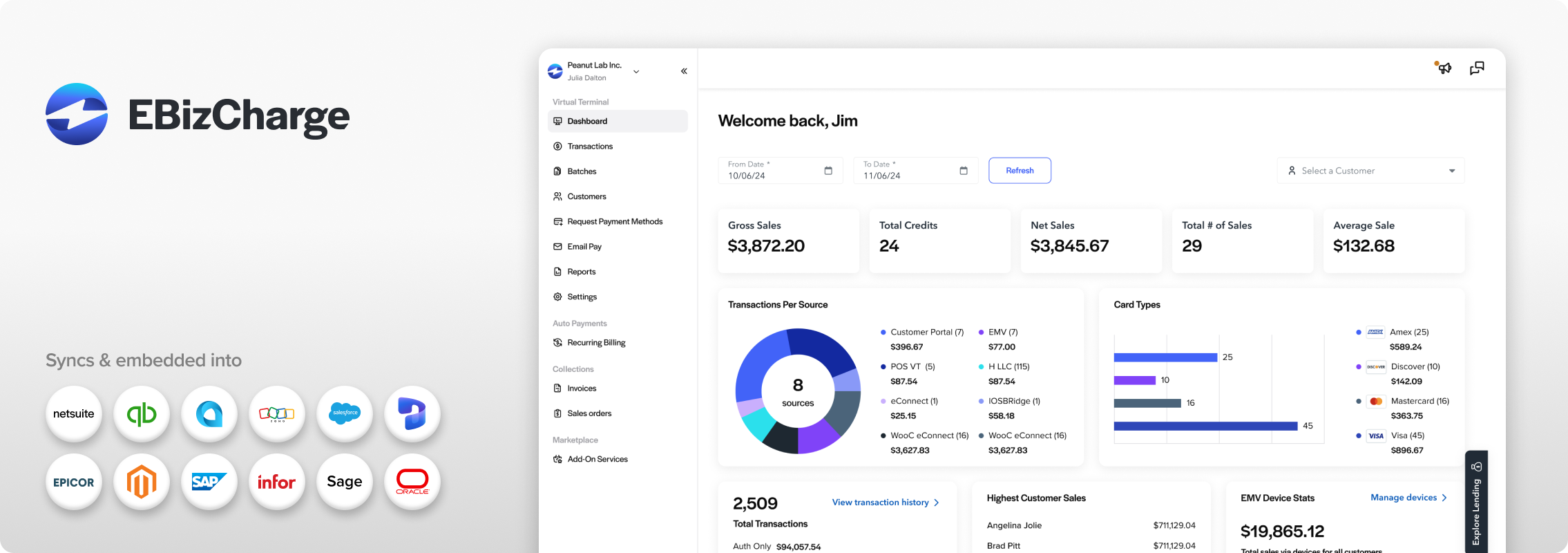
EBizCharge is the strongest payment processing solution for fuel delivery businesses. Built for complex, invoice-driven billing environments, it fits fuel oil and propane operations precisely.
The pricing model is its first advantage. EBizCharge runs on interchange-plus pricing, meaning each transaction is charged the actual network cost plus a fixed margin rather than a padded flat rate. On commercial heating oil invoices running into the thousands, that distinction is real. Payment processing fees that exceed the actual transaction cost add up across a heating season in ways that are easy to overlook.
The recurring billing engine handles the volume and complexity that fuel delivery budget billing creates. Monthly charges run automatically across large account portfolios, failed payments are retried on a schedule, and plan amounts can be updated without manual action on every account.
ACH is built in natively — residential budget plan customers and commercial accounts settling large invoices both have a bank transfer option that processes alongside card payments from one platform.
Accounting integrations connect directly with QuickBooks, Sage, and other platforms. Invoice payments post automatically — during peak season, automated reconciliation isn’t optional.
The virtual terminal handles will-call orders, service call payments, and any phone-in transactions without switching tools.
The secure payment vault stores payment details on file. Budget plan customers don’t re-enter bank or card information monthly, and commercial accounts don’t provide details on every invoice.
Chargeback management tools are included. Disputed delivery charges are uncommon, but they happen, and having response tools built into the same payment processing software means staff aren’t scrambling across multiple systems.
U.S.-based support is available when a billing issue surfaces.
Verdict: EBizCharge is the strongest fuel delivery payment processing solution for dealers who need budget billing automation, ACH, accounting integration, and transparent pricing from one platform.
2. QuickBooks Payments: For Dealers Fully Inside the QuickBooks Ecosystem
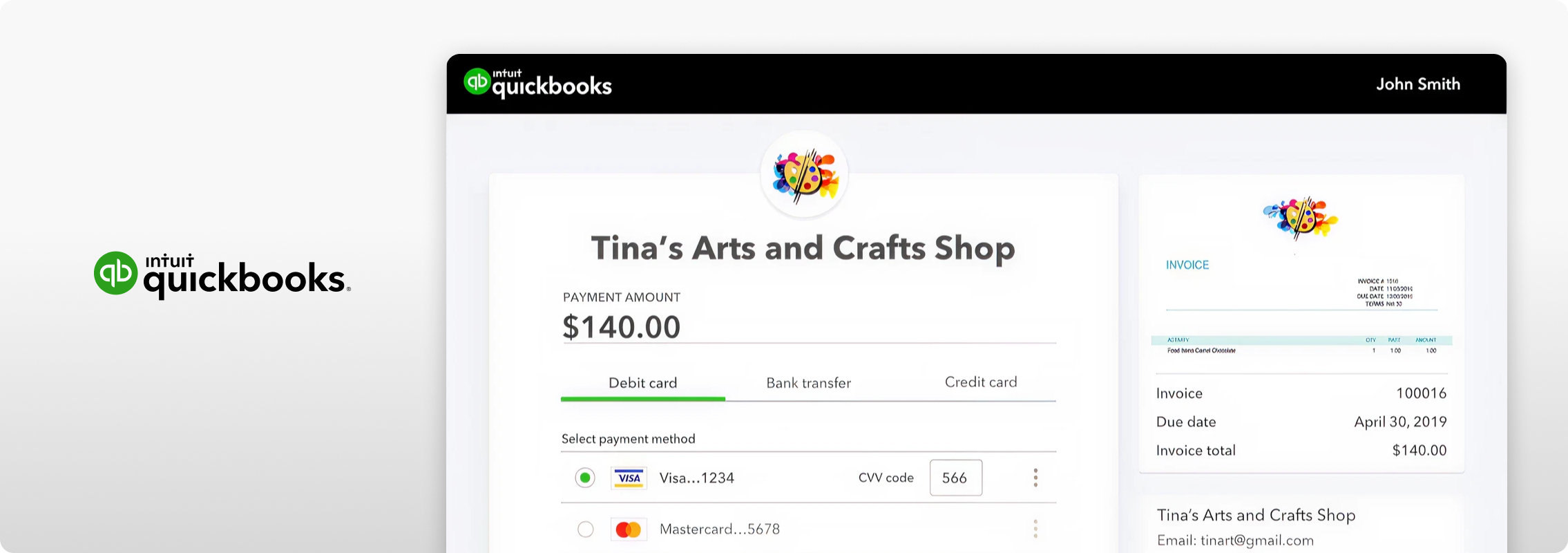
QuickBooks Payments screen via intuit.com
QuickBooks Payments makes sense for fuel oil companies already running their entire operation inside QuickBooks. Invoices, customer records, and payment history sync automatically, and ACH is included.
Flat-rate pricing is the core limitation. There’s no interchange-plus option, and on commercial fuel delivery invoices, that costs more than it needs to. Recurring billing is also more basic than what a substantial budget billing program requires.
Verdict: A workable starting point for smaller dealers already committed to QuickBooks. The cost structure doesn’t hold up as well on commercial-scale fuel delivery invoices.
3. Stripe: For Tech-Enabled Dealers Building Custom Platforms
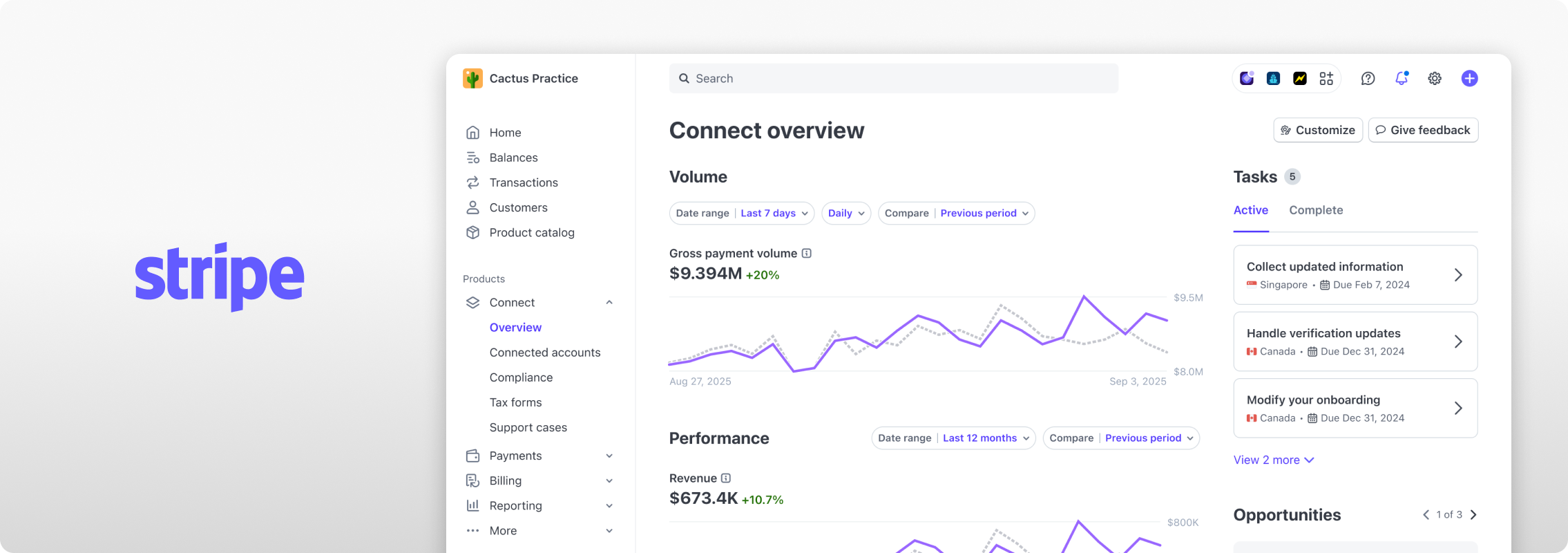
Stripe screen via stripe.com
Stripe’s infrastructure handles fuel delivery billing well when configured for it. Recurring billing, ACH, and invoice management are all capable, and for fuel tech businesses building customer-facing portals or route management integrations, it’s a viable payment layer.
The catch is that nothing works out of the box. Developer configuration is required, no native delivery software connections exist, and self-service support is a problem when billing issues arise during a cold-weather volume spike.
Verdict: A solid backend for dealers with technical resources building custom platforms. Not a practical payment solution for most fuel oil and propane delivery back offices.
4. PaySimple: For Dealers Where Budget Billing Is the Dominant Workflow
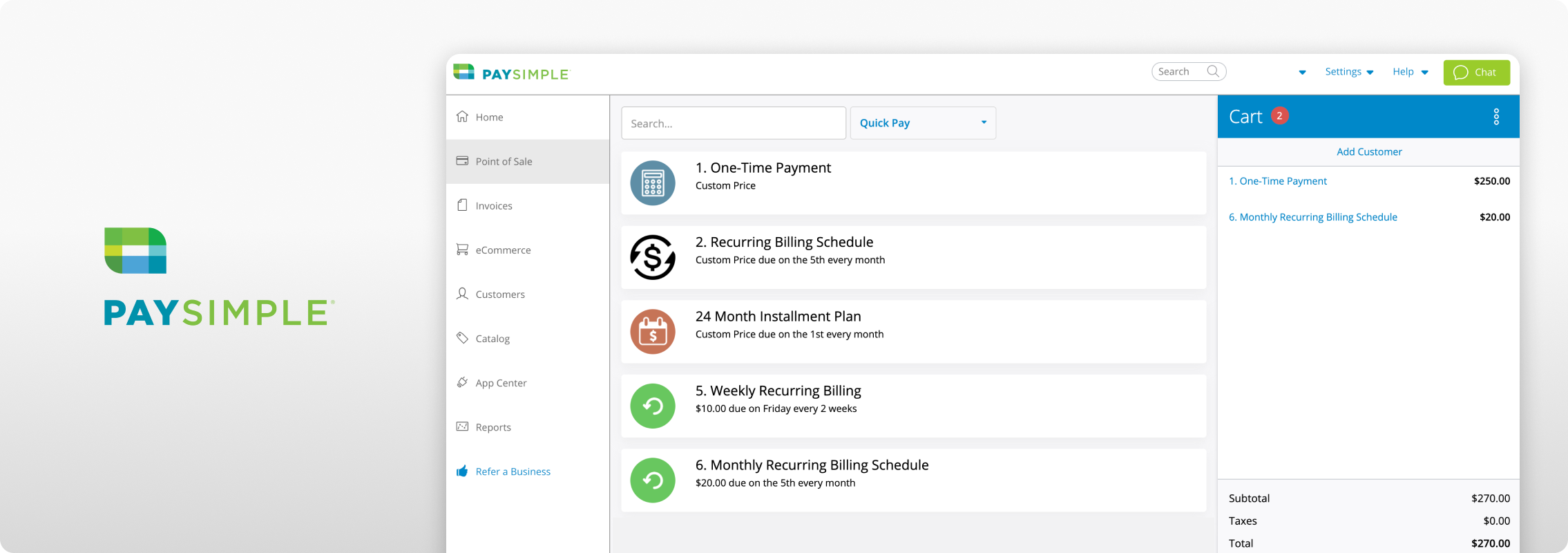
PaySimple screen via trustradius.com
PaySimple’s recurring billing tools are well-developed, and for dealers where residential budget plans represent the majority of billing, the platform handles that workflow reliably. A self-service payment portal also reduces inbound billing calls.
Outside recurring billing, the gaps are significant. Accounting integration is less complete than EBizCharge, delivery software connections aren’t available, and chargeback tools are basic. As a fuel oil and propane payment processing service covering commercial accounts, will-call billing, and service agreements, it falls short without supplemental tools.
Verdict: Strong for budget-billing-heavy residential operations. Not a standalone payment processing for oil companies with mixed billing complexity.
5. Authorize.Net: A Legacy Platform Worth Reconsidering
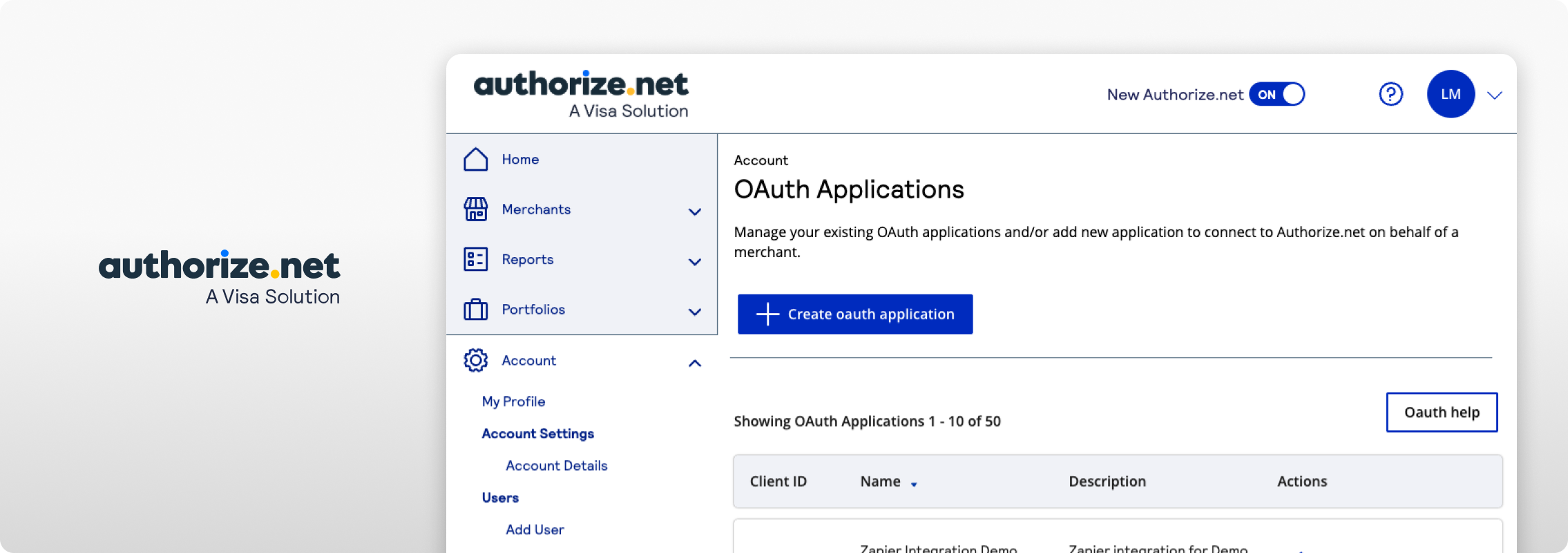
Authorize.net screen via authorize.net
Many fuel oil dealers use Authorize.Net, not because they chose it recently but because it was set up years ago and has run reliably since. That’s a legitimate reason to stay with something — but it’s worth understanding what it costs.
Authorize.Net charges a gateway fee on top of processing fees, and the total cost at commercial invoice volume is typically higher than interchange-plus alternatives. Recurring billing is less complete than EBizCharge. For dealers that haven’t run a comparison recently, the annual gap between their current payment processing fees and what an interchange-plus processor charges is usually larger than expected. Credit card processing at flat rates on commercial fuel invoices is a cost that compounds quietly.
Verdict: Reliable and familiar, but likely costing more than necessary. A cost comparison against EBizCharge is worth running before renewing.
How the Platforms Compare
| Feature |  |
 |
 |
 |
 |
|---|---|---|---|---|---|
| Pricing model | Interchange-plus | Flate rate | Flat rate | Monthly + transaction | Gateway + processing |
| ACH support |  |
 |
|
|
|
| Budget billing / recurring | |
|
Dev required | |
 |
| Accounting integration | Extensive | Native to QB | Dev required | |
|
| Virtual terminal | |
|
|
|
|
| Delivery software integration | |
 |
Dev required | |
|
| Chargeback tools | |
|
|
|
|
| Best for | All-around | QB ecosystem | Custom platforms | Budget-billing-heavy | Legacy users |
= partial or varies
Scroll to compare 
EBizCharge Handles What Fuel Delivery Billing Actually Looks Like
When January arrives, and every billing relationship activates at once, the payment platform either holds up, or it doesn’t. QuickBooks Payments is useful inside its ecosystem but carries flat-rate fees that compound at delivery-scale invoice sizes. Stripe is capable for platform builders but not for typical back-office teams during a busy heating season. PaySimple handles budget billing well, but stops short of a complete solution. Authorize.Net is reliable but typically more expensive than it needs to be for payment processing for oil companies with meaningful commercial account volume.
EBizCharge is the only platform that combines interchange-plus pricing on large delivery invoices, a recurring billing engine for budget plans, native ACH support, deep accounting integration, and phone-in payment capability in one system. That reflects how payment processing for heating oil delivery and propane businesses actually works. It’s the fuel oil & propane payment processing service that covers the full billing lifecycle, not just one slice of it.
If you haven’t compared your current credit card processing costs against an interchange-plus alternative, that calculation is worth doing. At fuel delivery invoice sizes, the annual difference is meaningful.
Get paid faster with less work.
Get paid faster with less work.
3-minute product overview