
Blog > Best CRM Billing Software: Integrated Invoicing Solutions
Best CRM Billing Software: Integrated Invoicing Solutions
Billing isn’t separate from customer relationships. It is part of the relationship.
When a client receives a clear invoice and can pay easily, that experience shapes how they view your business. When invoices are delayed or difficult to pay, trust erodes. That’s why more companies are turning to CRM billing software that brings invoicing and payment collection into the same place where they already manage customers.
If you’ve ever wondered: “What is CRM beyond sales tracking?” This article is for you. Customer relationship management isn’t just about leads and opportunities. It’s about managing the full lifecycle of a customer, including billing, payments, and revenue visibility.
Integrated invoicing solutions built into a CRM system connect sales, finance, and operations without forcing teams to juggle disconnected tools.
What Is CRM Billing Software?
CRM billing software combines traditional customer relationship management with invoicing, payment tracking, and collections. Instead of running separate CRM software and standalone billing tools, businesses use one connected CRM billing system to manage both customer data and financial transactions.
In a disconnected setup, sales closes a deal in the CRM system and accounting recreates that information elsewhere. That duplication wastes time and increases the risk of errors. A billing CRM removes that gap.
With CRM and billing software working together, invoices are generated directly from deal records. Payment history lives alongside contact details and account notes. The CRM billing system becomes a reliable source of truth.
For teams that rely on customer relationship management every day, this alignment simplifies work: sales sees billing status, finance sees deal context, and leadership sees a clearer path from pipeline to revenue.
Why Businesses Are Moving Toward Integrated CRM Billing
The move toward CRM billing software is driven by practical needs.
First, it eliminates system silos. When CRM software and billing platforms don’t sync properly, small inconsistencies create confusion. Addresses differ. Invoice updates fail to appear. Reports don’t match.
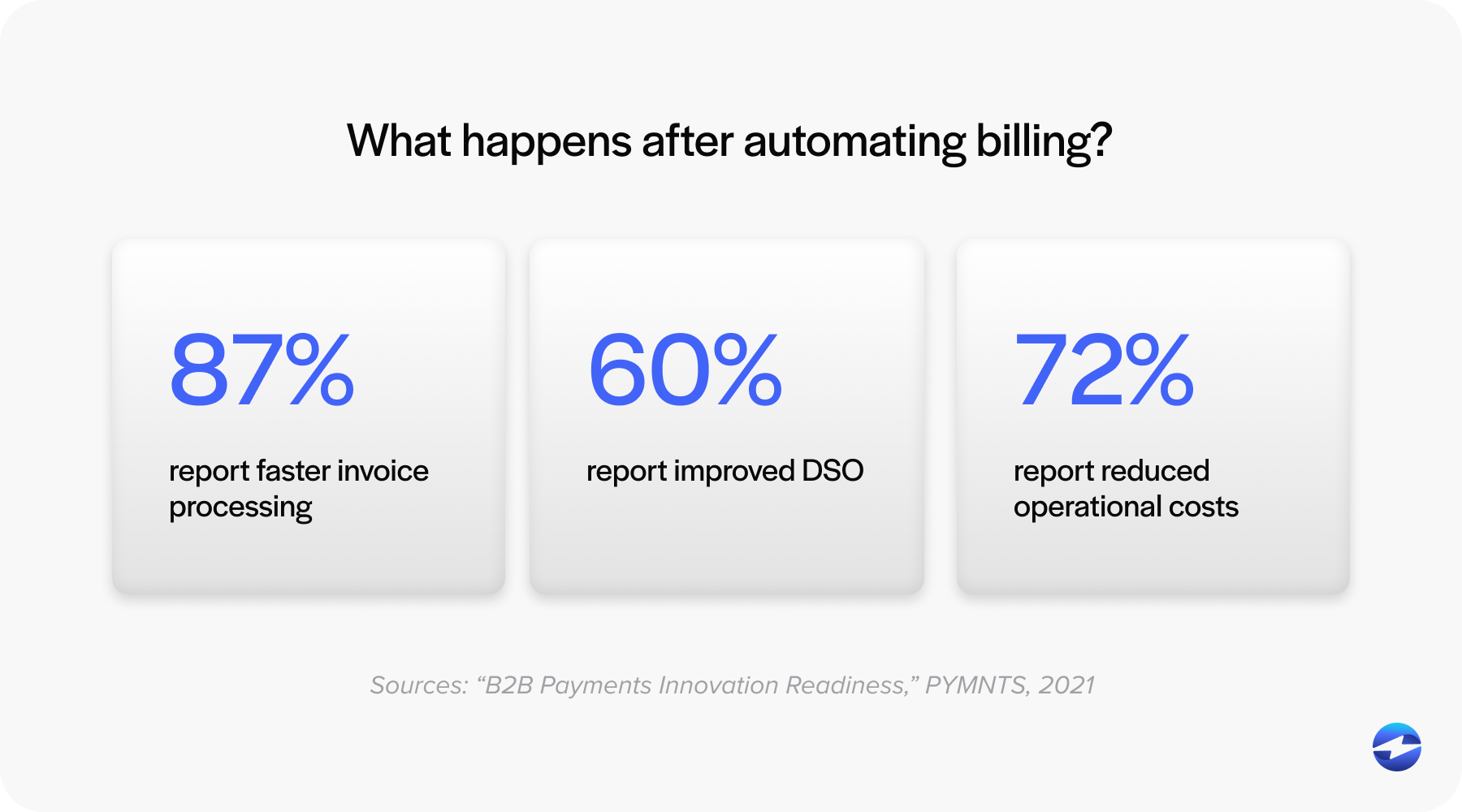
Second, it improves cash flow. When your CRM billing system automatically generates invoices as soon as a deal closes, billing starts immediately. There’s no delay between agreement and payment request.
Third, it reduces manual mistakes. Pulling invoice data directly from the CRM system cuts down on retyping errors and mismatched line items.
Finally, it increases visibility. A well-designed CRM and billing software setup provides real-time insight into outstanding invoices, aging balances, and customer payment behavior.
For business owners, finance managers, and operations leaders, that visibility supports better decisions and fewer surprises.
Core Features of the Best CRM Billing Software
Not every CRM billing system delivers the same value. The best solutions share a few essential features.
Invoice Creation Within the CRM System. A strong CRM billing software platform allows you to create invoices directly inside the CRM system.
Customer details, pricing, and products flow from existing records into the invoice automatically. No spreadsheets. No duplicate entry.
Recurring billing is also critical for subscription or service-based models. A capable billing CRM can automate recurring invoices based on terms stored in your CRM software.
Built-In Payment Collection. The best CRM billing software includes a secure payment processing solution.
Customers should be able to pay directly from the invoice using credit card or ACH. Behind the scenes, a dependable payment processor handles authorization and fund transfers while the CRM billing system updates the payment status instantly.
This real-time connection prevents confusion. When a payment is completed, your CRM system reflects it immediately. Teams don’t need to send follow-up emails just to confirm receipt.
Reporting and Account Visibility. Effective CRM and billing software also provides clear reporting.
Open invoices, aging reports, and payment trends should be visible inside your CRM software. When payment data is tied directly to customer relationship management records, you gain a fuller understanding of each account.
Integration With Accounting Tools. Even the best CRM billing system doesn’t replace accounting software. Instead, it should connect cleanly with it.
Invoice and payment data should flow from the CRM system into your accounting platform without manual exports. Strong integration keeps financial records consistent across systems.
Benefits of a Unified CRM Billing System
When billing lives inside your CRM system, the benefits are straightforward. You gain one unified billing CRM environment for sales, billing, and collections. Instead of debating which system holds accurate data, teams rely on a single source.
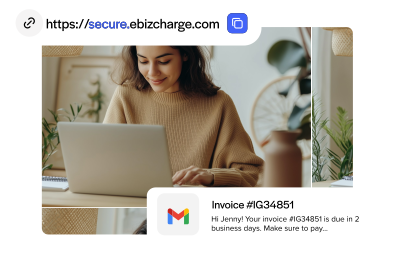
The customer experience improves as well. A simple invoice paired with a secure payment processing solution reduces friction. A reliable payment processor builds confidence in the transaction.
Collaboration becomes easier. Sales can check invoice status before discussing renewals. Finance can understand the context behind special pricing. With CRM and billing software aligned, conversations are grounded in shared information.
Forecasting also becomes more accurate. When payment activity is visible inside your CRM billing software, revenue projections are based on actual collections rather than assumptions.
Over time, this alignment strengthens both operations and customer relationships.
What to Look for When Choosing CRM Billing Software
Selecting the right CRM billing system requires more than comparing feature lists.
Start with usability. Your CRM software should make it easy for sales and operations teams to create invoices and review payment status. If the system feels overly complex, adoption will suffer.
Next, evaluate payment flexibility. A strong payment processing solution should support common methods such as credit cards and ACH. The underlying payment processor must be secure and reliable.
PCI-compliant security and access controls matter too. Even if the payment processor manages sensitive data, your CRM system should enforce proper permissions and protect financial records.
Scalability is another consideration. As transaction volume increases, your CRM and billing software must handle growth without performance issues.
Finally, examine integration depth. A true CRM billing software platform connects customer relationship management data with billing and payment workflows in a meaningful way. Shallow integrations often create more manual work instead of less.
Why EBizCharge Is a Strong Fit for CRM Billing Integration
For companies looking to strengthen their CRM billing system, EBizCharge is a practical option.
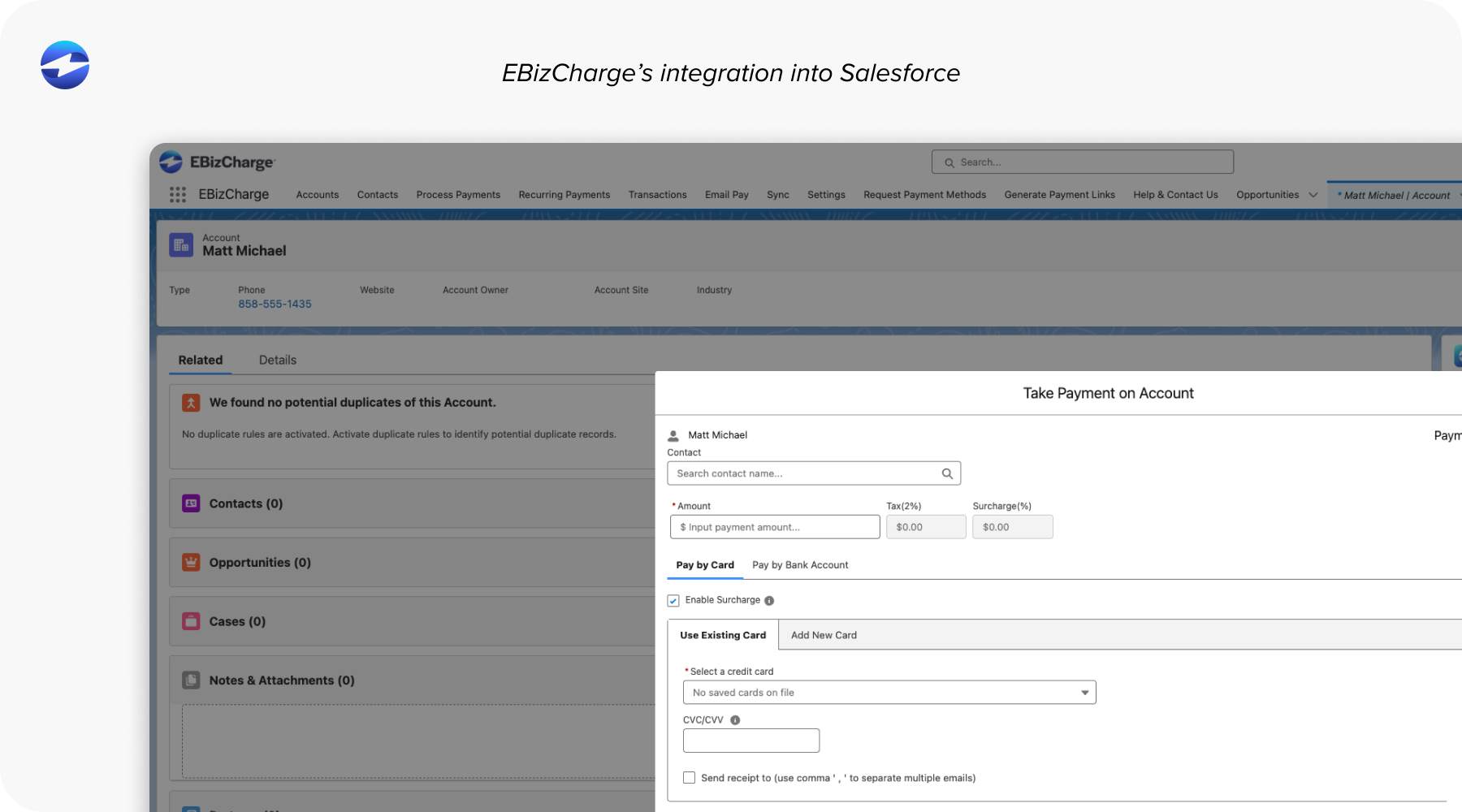
EBizCharge connects invoicing and payment collection directly inside existing CRM software. Instead of redirecting customers to a separate portal, it works within your CRM system, so invoices and payments stay aligned with customer records.
Its payment processing solution allows customers to pay securely, while a connected payment processor handles authorization and settlement. Payment status updates automatically inside the CRM billing software, keeping data accurate and current.
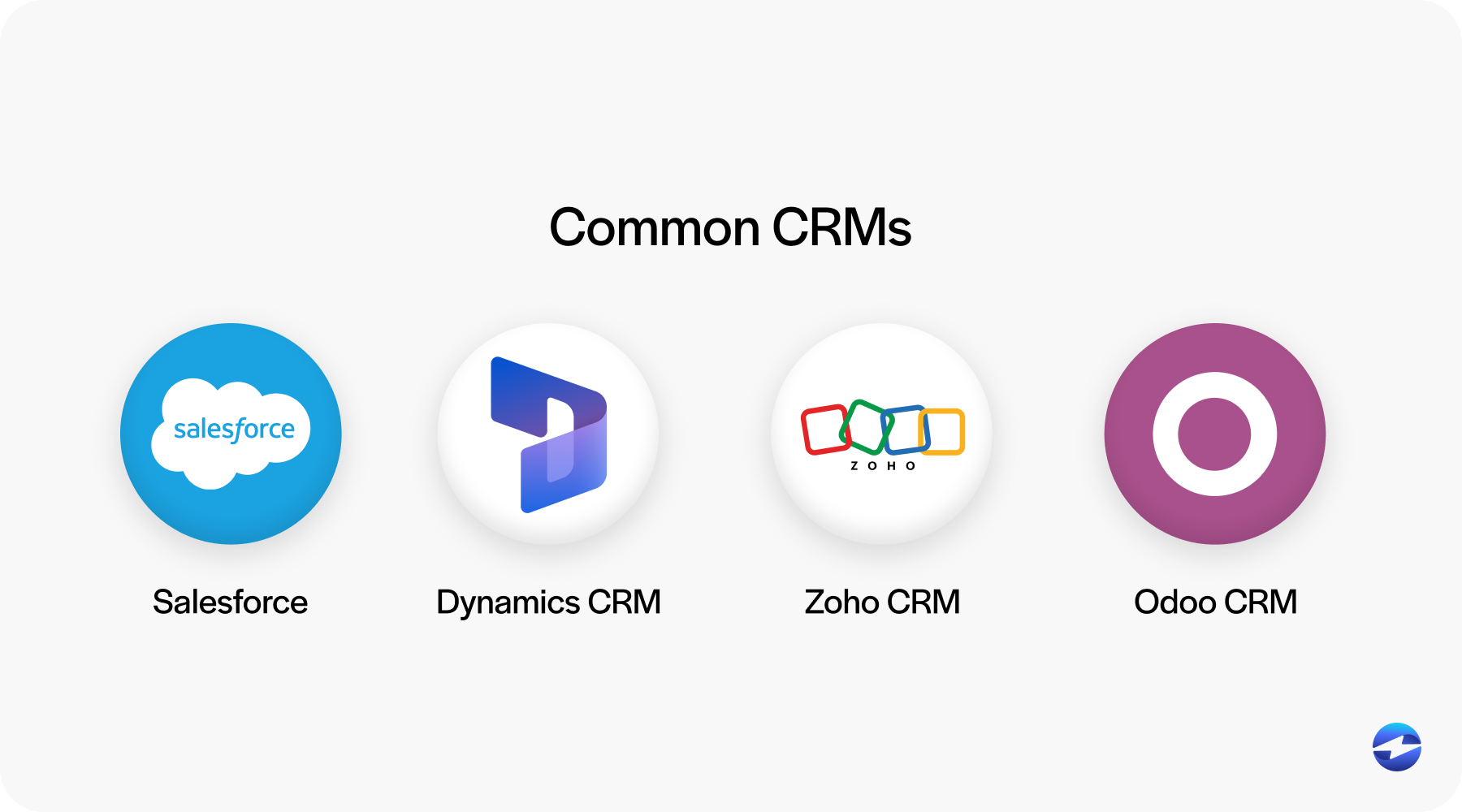
For organizations using a billing CRM within platforms such as Salesforce, EBizCharge supports strong CRM integration that ties opportunity data, invoices, and payments together. This alignment keeps customer relationship management and revenue workflows connected.
The goal is simplicity. A focused CRM and billing software setup that includes a reliable payment processor reduces administrative work and keeps financial data consistent.
Who Benefits Most From CRM Billing Software?
Many industries benefit from CRM billing software, but a few stand out. B2B service providers often manage long-term contracts and recurring invoices. A CRM billing system helps automate billing while maintaining full account visibility.
SaaS companies rely heavily on subscription models. Integrating a payment processing solution directly into the CRM system simplifies renewals and reduces payment friction.
Manufacturers and distributors manage repeat customers and large orders. A billing CRM ensures invoice history and payment behavior are visible to both sales and finance teams.
Professional services firms also benefit by tying project information to invoicing inside their CRM software. This keeps billing aligned with delivered work.
Across these use cases, the advantage is clarity. When customer relationship management and billing operate together, teams spend less time reconciling data and more time serving customers.
Common Challenges to Watch For
Even with strong CRM billing software, challenges can arise.
Overcomplicated workflows can slow down billing. Keep your CRM billing system as simple as possible.
Weak integration between CRM software and accounting tools can create discrepancies. Ensure data flows automatically and consistently.
Limited payment options may delay collections. A flexible payment processing solution supported by a dependable payment processor helps prevent friction.
Training is equally important. Clear internal processes ensure your CRM and billing software are used consistently.
Bringing Revenue and Relationships Together
Billing is part of the customer experience, not just a back-office task. The best CRM billing software brings invoicing and payment collection into the same CRM system that manages relationships. This approach reduces manual work, improves visibility, and supports healthier cash flow.
A well-designed CRM billing system, supported by a secure payment processing solution and a reliable payment processor, creates a connected workflow from deal to payment.
For businesses ready to simplify operations, investing in the right CRM billing software is about strengthening the CRM software you already rely on.
Keep invoicing close to your customer data. Keep payments visible and secure. And build a billing CRM environment that supports the entire customer journey.
- What Is CRM Billing Software?
- Why Businesses Are Moving Toward Integrated CRM Billing
- Core Features of the Best CRM Billing Software
- Benefits of a Unified CRM Billing System
- What to Look for When Choosing CRM Billing Software
- Why EBizCharge Is a Strong Fit for CRM Billing Integration
- Who Benefits Most From CRM Billing Software?
- Common Challenges to Watch For
- Bringing Revenue and Relationships Together